


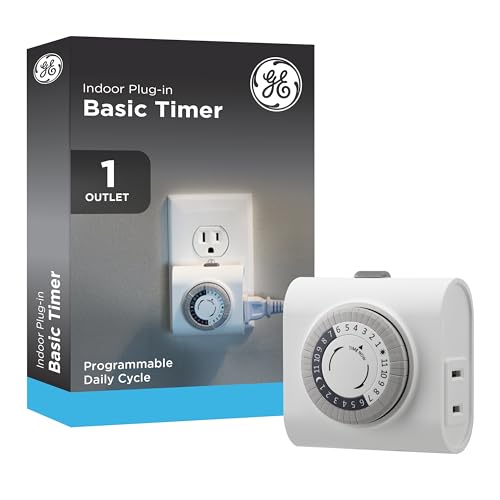
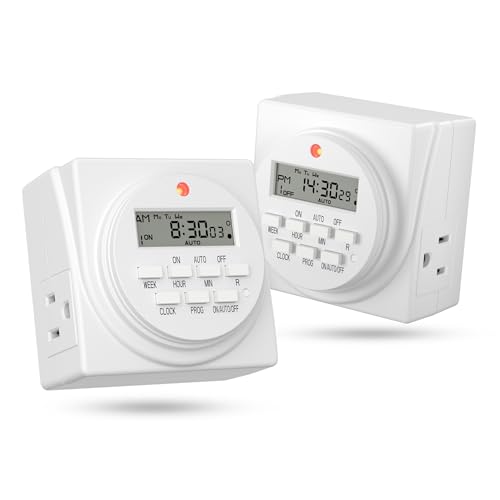
Uneven room lighting and pitch-black hallways while you travel make a home feel deserted, while running table lamps around the clock wastes electricity and strains older sockets. Reliable light control gives you peace of mind by cycling fixtures automatically to simulate daily routines. Selecting the safest indoor light timer comes down to matching certified electrical loads with the right interface, whether that means simple mechanical pushpins or advanced digital programming. Mechanical timers use analog dials with 30-minute intervals that stay foolproof without complex menus, while digital units provide battery memory backups and randomized vacation settings that keep your schedules intact through power flickers.
Safety starts with verified ratings like ETL listings and proper grounding. Using an overloaded outlet or a frayed wire creates unnecessary risk, so inspecting your fixture before setup or pairing it with a proper light replacement cord ensures your timed lamps operate without overheating. Standard models from reliable brands handle common 15-amp loads, making them dependable choices for living room accent lamps, seasonal displays, and bedside reading lights across your home.





Answers to Common Indoor Light Timer Questions
What makes an electrical plug timer safe for indoor lighting?
Safety certifications like an ETL or UL listing ensure an indoor timer meets rigorous electrical standards. Matching the timer rating (such as 15A or 1875W) to your lighting load prevents overheating. Grounded 3-prong plugs provide extra electrical protection, especially for metal floor lamps or multi-plug extensions.
Are digital timers safer than mechanical outlet timers?
Both digital and mechanical styles offer comparable electrical safety when built with certified components, but digital models excel in silent operation and schedule retention. Digital timers operate without moving motor gears, generate virtually zero internal friction heat, and retain their programs during blackouts using backup batteries. Mechanical timers remain dependable because they do not glitch from voltage spikes, making both styles safe when used within their wattage limits.
Can you plug LED bulbs and holiday string lights into these timers?
Yes, plug-in indoor timers are compatible with compact fluorescent lamps, modern LED bulbs, and seasonal lighting. Before building a creative Christmas lights setup, verify that the total wattage of your light strands does not exceed the timer resistive or tungsten rating. Most standard timers support up to 1000W of tungsten or 15A resistive loads, which easily accommodates modern LED strings.
How does a vacation random mode improve home security?
A randomized vacation mode varies programmed lamp activation by several minutes each evening, preventing observers from spotting a strict pattern. Fixed mechanical timers flip lights on at the exact same minute every day, which can tip off outsiders that nobody is home. Digital options introduce minor offsets to make your house appear naturally occupied.
Can a timer block the second wall receptacle on a standard duplex outlet?
Bulky timer designs often obstruct neighboring sockets, but slim side-outlet models solve this issue. Compact options and side-plug designs fit neatly onto a wall plate without blocking the second plug. When you need multiple appliances automated from one spot, look for dual-outlet timers that control two fixtures simultaneously from a single plug.
What should you do if an indoor light timer feels warm to the touch?
Slight warmth during operation is normal for the internal timer motor or digital transformer, but excessive heat indicates an overloaded circuit. Unplug the device immediately and check the wattage of your connected lights against the timer maximum rating. Never exceed 15 amps or connect high-draw space heaters to standard lamp timers.




Write Your Review
No reviews yet. Be the first to share your experience!