


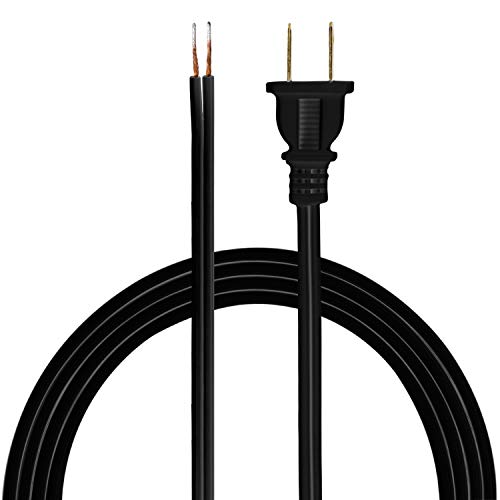
Frayed cords, loose sockets, and cracked insulation can bring your seasonal decorating to an abrupt stop. Whether you want to illuminate a cherished holiday ceramic tree, restore a vintage Christmas village house, or rewire an heirloom table lamp, a sturdy light replacement cord provides an immediate fix without forcing you to discard an entire piece. Damaged wiring introduces dangerous electrical risks around dry greenery and busy mantels. Upgrading to a fresh polarized plug with clean copper conductors keeps your holiday display glowing while protecting your household. Modern cords also integrate smoothly with setups designed for reliable everyday illumination, ensuring dependable power through the festive season.
Matching the right wire gauge, cord thickness, and socket style to your fixture prevents common assembly headaches. Thin 18 AWG SPT-1 wire threads easily through narrow lamp rods and small porcelain cutouts, while thicker SPT-2 jackets resist abrasion against sharp metal edges. Many designs offer handy rotary inline switches, spring clips for miniature craft openings, or pre-stripped ends that eliminate frustrating prep work. Based on manufacturer specifications, socket dimensions, and user feedback, these cords deliver steady power and straightforward installation for any holiday lighting project.


Frequently Asked Questions
Can a Light Replacement Cord work with Christmas village houses and ceramic trees?
Yes, accessory cords with metal spring clips and candelabra sockets fit standard one-inch holes in ceramic Christmas houses and holiday trees. The flexible steel wings hold the socket securely inside the opening so the bulb stays centered. Pre-wired cords from brands like Brightown and Creative Hobbies also feature built-in rotary wheel switches for convenient operation.
What is the difference between SPT-1 and SPT-2 lamp cords?
Insulation thickness is the key distinction between these two styles, with SPT-2 featuring heavier thermoplastic shielding than SPT-1. Both cords carry standard 18 AWG copper conductors rated for 10 amps and 300 volts. Thinner SPT-1 cord slides through tight decorative channels easily, while thicker SPT-2 insulation provides superior protection against sharp metal lamp bases.
How do you identify polarity when connecting a new cord?
Polarity is determined by outer cord texture, where ribbed insulation indicates the neutral conductor and smooth insulation represents the hot line. Connect the ribbed neutral wire to the socket silver screw and wide plug blade. Fasten the smooth hot wire to the brass screw to keep live current safely routed to the interior contact tab.
Can you install LED bulbs into a light replacement cord socket?
Yes, LED bulbs with matching screw bases operate safely in replacement cord sockets as long as they do not exceed the listed fixture wattage. Most standard cords handle up to 300 watts, while LED alternatives draw minimal power. Low-wattage LEDs generate virtually no heat, keeping enclosed holiday village houses and delicate plastic blow molds cool to the touch.
What length light replacement cord works best for seasonal displays in 2026?
A cord length between eight and twelve feet provides adequate reach for most tabletop village scenes and living room lamps without excess clutter. Tabletop scenes close to power strips do well with six-foot leads, while floor fixtures benefit from twelve-foot spans. For setups linked to versatile display lighting, extra cord length ensures hassle-free routing around festive furniture.


Write Your Review
No reviews yet. Be the first to share your experience!