


Illuminating an interior or exterior vertical surface changes how a living space feels by adding depth, drawing attention to textures, and reducing harsh contrast. Learning how to light a wall involves balancing ambient glow with directional accents so the surface complements the surrounding room rather than overpowering it. Whether highlighting an architectural stone fireplace, creating a warm backdrop in an apartment hallway, or brightening an outdoor patio boundary, vertical illumination expands visual boundaries. Similar to positioning a dedicated reading light for evening comfort, wall illumination requires intentional placement to avoid glare while casting balanced, flattering brightness.
Modern lighting options make illuminating walls accessible without always needing major electrical renovations. Rechargeable magnetic sconces, solar exterior fixtures, and damage-free mounting clips provide flexible pathways to highlight smooth drywall, textured siding, or decorative art. Understanding beam angles, color temperature, and mounting height ensures your lighting setup delivers both functional clarity and aesthetic charm. By selecting fixtures that match the physical structure of your walls and your household routines, you can achieve professional-looking visual depth across any room.




Methods, Spacing, and Fixture Selection for Vertical Lighting
To light a wall effectively, you must match the fixture style and beam spread to the specific texture and function of the vertical surface. Flat interior drywall responds best to broad, diffuse illumination that spreads light evenly across the plane, whereas masonry, stone, or wood paneling benefits from angled directional beams that emphasize tactile relief. Establishing your desired visual mood before mounting hardware allows you to determine whether direct wash, grazing, or discrete accent points will produce the cleanest results.
Distinguishing Wall Washing from Wall Grazing Techniques
Wall washing distributes light evenly across an entire surface to create a flat, luminous plane that makes rooms appear larger. Fixtures intended for wall washing typically sit two to three feet away from the wall surface and feature wide beam angles. This approach eliminates shadows, softens small blemishes in standard drywall, and serves as an excellent backdrop for gallery arrangements or minimalist living spaces.
Wall grazing places the light source close to the vertical plane, generally within six to twelve inches of the wall boundary. By aiming a narrower beam directly down or up along the surface, grazing creates pronounced highlights and deep shadows. This technique works exceptionally well on coarse textures such as natural stone, exposed brick, reclaimed wood, or textured acoustic tiles, transforming the architectural material into a dramatic visual focal point.
Choosing between these two approaches depends on the condition of your wall and your decorative intent. Washing conceals minor drywall irregularities by flooding the area with uniform brightness, while grazing exaggerates every curve and ridge. If your wall has uneven plaster joints or patched drywall compound, stick to washing techniques to keep flaws from standing out.
Selecting Between Hardwired and Cordless Rechargeable Fixtures
Hardwired wall sconces provide continuous, uninterrupted power and integrate directly into standard household wall switches or automated home systems. They remain the preferred option during major remodeling projects or new construction where opening drywall to run conduit poses little inconvenience. Hardwired installations also accommodate higher total lumen output without requiring routine battery recharging cycles.
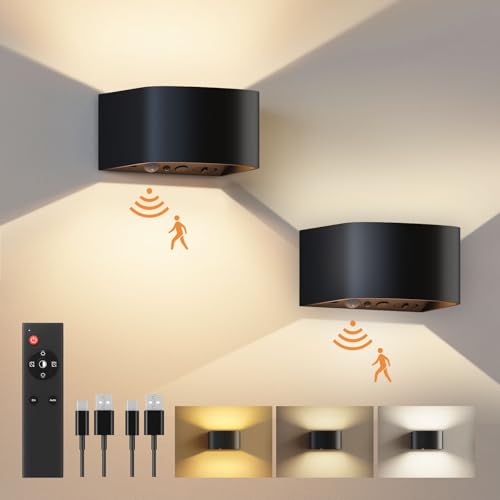
Cordless rechargeable wall sconces offer a flexible alternative for rental properties, older homes, and finished rooms where cutting into walls is impractical. Modern wireless sconces feature built-in lithium batteries, frequently ranging from 2500mAh to 5000mAh capacities, which supply reliable illumination for days or weeks depending on your brightness settings and usage patterns. These units detach easily via magnetic brackets or slide-off backplates for standard USB-C recharging.
Evaluating your willingness to manage recharge cycles helps determine which format suits your living space. A wireless light running ten hours continuously at maximum brightness will require frequent recharging if used as primary room lighting. In contrast, battery sconces installed as accent lights or motion-activated pathway guides operate for weeks between charges without disrupting your daily routine.
Determining Ideal Mounting Heights and Spacing Intervals
Mounting height directly influences both visual balance and glare prevention across vertical walls. Standard interior wall sconces generally look best when centered between 60 and 66 inches from the finished floor to the middle of the fixture. This placement aligns the light close to natural eye level for standing adults, ensuring the light source enhances the room without shining directly into peripheral vision.
Ceiling height requires slight adjustments to this baseline measurement. In rooms with ceilings taller than nine feet, raising the sconce center to 66 or 72 inches maintains proportional balance and prevents the lower half of the wall from feeling visually crowded. Bedside sconces require a distinct approach, sitting roughly 30 to 36 inches above the mattress surface so you can read comfortably without casting your own shadow across the pages.
Horizontal spacing between multiple sconces along a corridor or accent wall should usually range between six and eight feet. Up-and-down wall fixtures create distinct geometric light cones above and below the housing, and spacing them too closely causes those patterns to overlap awkwardly. Providing several feet between units allows each beam to define its own architectural silhouette on the wall.
Calculating Beam Spread, Lumens, and Color Temperatures
Lumen requirements for wall lighting differ significantly from overhead ambient illumination. Because vertical surfaces reflect light horizontally back into the room, accent sconces typically require only 100 to 300 lumens to create noticeable visual warmth. Exceeding 400 lumens on an accent sconce without a frosted diffuser can introduce uncomfortable glare and wash out subtle interior textures.
Color temperature influences the psychological mood and perceived warmth of the vertical plane. Warm white light between 2700K and 3000K creates an inviting, cozy atmosphere that pairs beautifully with wood paneling, warm paint tones, and bedroom walls. Neutral white settings near 4000K to 4500K highlight architectural lines and art pieces without distorting natural pigment tones.
Cool white illumination ranging from 5700K to 6500K provides crisp clarity suited for task-oriented walls, staircases, and modern accent niches. Many modern rechargeable sconces incorporate selectable color temperatures and dimming controls spanning 10 percent to 100 percent brightness. Having dimming capability allows you to adjust vertical intensity depending on whether you are hosting guests, navigating corridors late at night, or relaxing before sleep.
Installing Peel and Stick Magnetic Sconces Safely
Peel-and-stick magnetic wall sconces deliver tool-free mounting by combining strong double-sided adhesive pads with steel mounting plates. Before applying any adhesive to your wall, clean the surface thoroughly with a dry microfiber cloth or a small amount of isopropyl alcohol to remove airborne dust and oils. Applying adhesive pads to uncleaned drywall or vinyl siding drastically weakens the bond and increases the risk of the fixture dropping.
Press the adhesive backing firmly against the smooth wall surface for at least thirty seconds, then allow the bond to set for an hour before attaching the magnetic light body. Magnetic ball joints allow you to rotate the light head 360 degrees, directing the beam upward for ambient bounce or downward for focused task illumination. When moving or redecorating, gently twisting the base or warming the adhesive with a standard hair dryer helps release the pad cleanly without damaging underlying paint.
Hanging String Lights and Renter-Friendly Accents
String lights provide an informal, charming method to outline headboards, frame photo walls, or brighten outdoor patio perimeters. Using clear outdoor adhesive light clips preserves your wall surfaces by avoiding nails, staples, or screw anchors. These clips bond effectively to flat vinyl siding, finished trim, tile, painted cinder block, and smooth wood when properly installed.
Placing one clip approximately every two feet prevents cords from sagging unevenly across the wall plane. When learning techniques like hanging decorative pendant lights or running accent wiring, maintaining structured intervals keeps the installation looking neat. Avoid applying adhesive clips to rough brick, crumbly mortar, or unfinished wood, as textured surfaces prevent the adhesive strip from forming a secure hold.
Designing Exterior Wall Illumination with Weatherproof Standards
Outdoor wall lighting demands fixtures built to withstand persistent rain, snow, blowing dust, and wide seasonal temperature swings. Fixtures rated at IP65 provide sealed protection against low-pressure water jets and airborne particles, making them suitable for exposed patio walls, garage perimeters, and entryway siding. In contrast, indoor-rated fixtures lack water-tight gaskets and will short-circuit if exposed to damp outdoor conditions.
Solar-powered exterior sconces eliminate the need for running outdoor electrical conduits to outbuildings, detached garages, or garden walls. These units pair high-efficiency solar panels with internal rechargeable batteries, gathering ambient daylight to power up-and-down illumination throughout the night. Fixtures offering secondary USB-C backup ports ensure you can manually top off the battery during prolonged winter stretches or overcast weeks.
Dusk-to-dawn sensors streamline outdoor wall lighting by automatically activating fixtures when daylight fades and powering down at sunrise. Positioning solar sconces where the integrated panel receives direct, unshaded sunlight ensures the internal cell charges fully during short winter afternoons. Mounting under deep eaves or dense tree canopies limits solar absorption and reduces nightly runtimes.
Configuring Motion Sensors and Controls for Everyday Function
Motion-sensing wall lights improve pathway safety in hallways, staircases, and entryways while conserving battery reserves. Quality infrared sensors typically detect human movement within a 120-degree angle up to ten feet away in low-light environments. Once motion stops, the light turns off automatically after twenty to thirty seconds, preventing unnecessary battery drainage while keeping pathways lit during midnight trips.
Handheld remote controls add convenience by letting you adjust color temperature, dimming levels, and sleep timers from across the room. Programmable auto-off timers set for 30 or 60 minutes work wonderfully in bedrooms, allowing you to fall asleep under soft wall illumination that shuts off after you drift off. Many fixtures feature memory functions that recall your last brightness and color temperature setting whenever the light is turned back on.
Cleaning, Maintenance, and Battery Care for Wall Lights
Dust and airborne grease settle on upward-facing wall sconces over time, dulling the lens and cutting down light transmission. Routine maintenance involves wiping the diffuser housing with a soft, dry microfiber cloth every few weeks to keep light clean and clear. Just as careful habits matter when cleaning delicate metal lighting fixtures, avoid spraying liquid cleaners directly into electrical seams or battery compartments.
Prolonging the lifespan of rechargeable lithium batteries requires keeping them away from direct heat sources and avoiding prolonged deep discharges. To protect battery capacity, recharge cordless sconces when the light output drops rather than waiting until the battery is entirely flat. For exterior solar fixtures, periodically wiping pollen and dust from the solar glass ensures optimal charging efficiency throughout every season.
Achieving a balanced wall lighting layout depends on intentional fixture placement, appropriate brightness levels, and respecting the underlying wall material. By aligning your choice of wash or grazing with proper mounting heights and reliable mounting hardware, you create an inviting atmosphere that elevates the entire living space.





Write Your Review
No reviews yet. Be the first to share your experience!