


Unexpected power outages and remote indoor corners often leave rooms completely dark when standard electrical outlets fail. Learning how to make a light bulb turn on without electricity gives homeowners and renters practical ways to maintain illumination during severe weather, emergency grid failures, or off-grid camping trips. While standard incandescent and LED lamps rely directly on alternating current from wall sockets, modern lighting design offers ingenious battery-backed alternatives that keep rooms bright without active utility power. Understanding how these systems store energy or convert low-voltage DC current helps you prepare your living space before the lights go out.
Many residents assume that losing utility power requires stumbling through drawers for candles or basic flashlights. However, emergency backup bulbs and specialized portable adapters allow you to illuminate standard table fixtures, sconces, or hanging pendants seamlessly. Similar to the strategic planning required when positioning a reading lamp for bed, placing self-powered bulbs in key living zones prevents dark spots and ensures safe navigation throughout the home. Exploring these off-grid lighting options will help you select the most dependable, heat-safe solutions for any emergency.


A Practical Guide to Powering Light Bulbs Without Utility Electricity
Illuminating a room when the electrical grid fails does not require complicated rewiring or hazardous open flames. In household environments, learning how to make a light bulb turn on without electricity focuses on utilizing stored energy, low-voltage direct current sources, and self-charging emergency bulbs. Modern consumer lighting offers several reliable avenues to bridge the gap between grid power and total blackout conditions. By understanding the underlying mechanics of these systems, you can safely deploy backup illumination whenever primary household circuits go dark.
The Fundamental Science of Off-Grid Illumination
Every standard light bulb requires an electrical circuit to produce visible illumination. In an incandescent bulb, electrical current heats a tungsten filament until it glows, while light-emitting diodes pass current through semiconductor materials. When people ask about operating a bulb without electricity, they almost always mean operating it without utility grid power. True light emission without any electrical charge is practically impossible in modern consumer bulbs, but redirecting stored chemical or battery energy provides the seamless illumination homeowners seek.
Attempting to power standard household bulbs from improvised sources requires an understanding of voltage and electrical current. Standard household sockets deliver 120-volt alternating current in North America, which cannot be matched directly by a typical pocket battery without a power inverter. Forcing high-voltage bulbs onto mismatched low-voltage terminals usually produces nothing more than frustration and dead batteries. Recognizing what power source your specific bulb expects is the essential first step toward achieving safe, reliable off-grid light.
How Rechargeable Emergency LED Bulbs Work
Rechargeable emergency bulbs represent the most straightforward consumer solution for power outages. These devices resemble standard A-style light bulbs and screw directly into everyday medium E26 household sockets. Under normal circumstances, the bulb operates just like any regular fixture light while simultaneously charging its internal battery pack. When a utility outage occurs, internal detection circuitry senses the loss of grid power and automatically switches to onboard battery operation.
The internal architecture of these bulbs relies on advanced lithium-ion cells tucked inside the plastic base. For example, the BSOD Rechargeable Light Bulbs utilize an internal 2200mAh rechargeable battery capable of sustaining illumination for hours without utility power. The design charges directly through a standard E26 lamp socket in approximately five hours from an empty state. An integrated color indicator shifts from red to blue once charging completes, providing clear visual confirmation that the emergency reserve is ready.
Unlike conventional bulbs that go completely inert once removed from a socket, emergency bulbs can function as handheld torches. By pressing a built-in switch on the upper lamp body or bridging the base contacts, users can activate the light instantly. This dual-purpose design allows a table lamp to serve as an emergency beacon during a severe storm without needing dedicated wiring. Because the bulb stores its own power internally, it completely bypasses the dead electrical wall outlet.
Brightness Levels and Runtime Optimization
Operating a light on battery reserves requires balancing light output against total runtime. Many consumers expect an emergency bulb to match the blinding brilliance of utility power for days, but battery storage naturally imposes limits. The BSOD model delivers a 7W LED output that matches a traditional 60W incandescent equivalent during regular operation. When running purely on battery power, users can select between multiple brightness tiers to conserve valuable battery life.
Dimmable settings make a dramatic difference in how long an off-grid bulb can illuminate a living space. Running at full 100 percent brightness typically provides between four and five hours of intense task illumination. Dropping the output to a 50 percent level extends the operational window to eight or ten hours, which easily spans an entire evening outage. At the lowest 10 percent nightlight setting, the internal battery can deliver ten to twelve hours of continuous soft light.
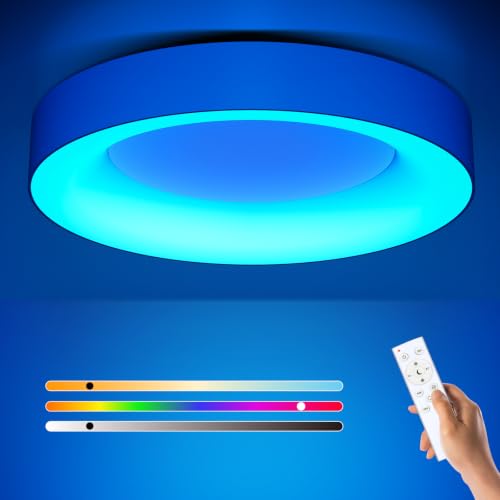
Managing these output tiers is made easier when using dedicated wireless controls. Handheld infrared remotes allow homeowners to adjust light levels across the room without touching the fixture directly. Pairing remote capabilities with emergency backup bulbs mirrors the convenience seen in remote-controlled lighting systems used around the home. Taking advantage of lower brightness levels ensures you keep essential hallways and living areas illuminated until primary power returns.
Utilizing Low-Voltage DC Batteries and DIY Conversions
For DIY enthusiasts, powering a light bulb without utility lines often involves low-voltage direct current setups. Standard 12-volt DC LED bulbs, widely used in marine and recreational vehicle applications, can run directly from automotive batteries or portable power banks. These bulbs use the same familiar screw-in bases as household bulbs but require DC power rather than 120-volt AC utility power. Connecting a 12-volt bulb to a matching battery pack creates a functional, safe task light for remote workshops or emergency shelters.
Never attempt to connect a standard 120-volt AC bulb directly to a low-voltage battery pack without an inverter. A typical 9-volt or 12-volt battery does not possess sufficient electromotive force to illuminate a standard household incandescent or AC LED driver. While a 9-volt battery might weakly illuminate a bare hobby LED diode, it cannot safely or effectively drive a full-sized household fixture. Using dedicated low-voltage bulbs specifically manufactured for direct current ensures both proper illumination and electrical safety.
Portable power stations and solar generators offer another popular way to bypass wall outlets. These portable units feature built-in inverters that convert stored DC battery power into pure sine wave AC electricity. By plugging a standard desk lamp into a portable power bank, you can run conventional bulbs exactly as you would during normal conditions. This method bridges off-grid flexibility with standard household lighting fixtures without requiring any physical modifications to your lamps.
Socket Adapters and Creative Power Routing
In some emergency or renovation scenarios, the challenge is redirecting power from an active circuit to an unpowered zone. Light socket adapters provide a creative mechanical solution by converting standard light fixtures into functional electrical outlets. For example, the 2 Pack, Light Socket to Plug Adapter from eRqILUJI converts an E26 bulb socket into a standard three-prong outlet. This configuration allows homeowners to tap power from ceiling fixtures or porch lights to charge phones or run small auxiliary lighting cords.
Safety and thermal performance remain paramount whenever using socket adapters to redirect power. High-quality adapters utilize flame-retardant, heat-resistant materials combined with low-impedance pure copper contacts to handle significant electrical loads. The eRqILUJI model accommodates electrical limits up to 125 volts at 10 amps, providing durable structural integrity. However, users must always remember that an adapter cannot generate electricity from an unpowered socket. It simply allows an alternate way to draw power from an existing energized socket when standard wall receptacles are unavailable.
Combining socket adapters with small emergency inverters or portable lighting strips creates adaptable temporary illumination. In garages, basements, or outdoor covered porches, these converters help establish lighting in areas lacking conventional outlets. Just as decorative accent pieces like self-contained fairy lamps rely on self-contained fuel or small battery cells for localized glow, adapters offer a way to reroute utility power to where it is needed most. Always inspect your fixture wattage ratings before attaching auxiliary appliances to a socket adapter.
Scientific Demonstrations: Static Electricity and Gas Excitation
Many viral science experiments claim to show a light bulb turning on without any wires, batteries, or grid power. These demonstrations typically involve compact fluorescent lamps, neon glow bulbs, or linear fluorescent tubes rather than standard incandescent globes. By rubbing a latex balloon against wool or hair, you can generate a significant static electrical charge on its surface. Bringing the charged balloon close to the glass envelope of a fluorescent tube can cause the internal phosphor coating to flicker softly in a darkened room.
This phenomenon occurs because high-voltage static fields excite the low-pressure mercury vapor inside the fluorescent tube. The excited gas emits ultraviolet radiation, which strikes the internal phosphor coating and creates a momentary burst of visible light. High-frequency electromagnetic fields from plasma globes or miniature Tesla coils produce a similar wireless glowing effect. While visually fascinating, these methods generate negligible usable illumination and cannot replace actual household lighting systems.
Standard LED and incandescent bulbs do not react to static charges in the same manner as gas-discharge tubes. An incandescent filament requires continuous current flow to achieve thermal incandescence, which static discharge cannot sustain. Modern LED drivers also require a steady direct current threshold to bias the semiconductor diodes properly. Relying on static charge tricks for real-world lighting will leave you in the dark, making chemical batteries and rechargeable bulbs the only viable options.
Safe Practices and Common Mistakes to Avoid
Experimenting with alternative power sources requires strict adherence to basic electrical safety rules. One of the most dangerous mistakes homeowners make during blackouts is attempting to backfeed household wiring using suicide cords. Plugging a generator or battery pack into a wall outlet to power home fixtures risks electrocuting utility workers repairing the neighborhood grid. Always keep off-grid lighting solutions physically isolated from your home electrical panel unless you have an approved transfer switch installed.
Battery handling also requires sensible precautions to avoid short circuits and fire hazards. When assembling DIY battery packs for low-voltage LED lights, always incorporate inline fuses sized appropriately for the wire gauge. Exposed terminal wires can easily overheat or spark if they accidentally touch metal lamp frames or conductive tools. Inspecting all connections, insulating exposed leads with heat-shrink tubing, and using secure battery holders keeps temporary lighting setups safe.
Thermal management remains equally critical when operating rechargeable emergency bulbs inside enclosed fixtures. Internal lithium batteries generate heat during both the charging cycle and extended discharge periods. Placing these bulbs inside tightly sealed glass globes or near high-heat appliances can degrade battery longevity and increase failure risks. Ensuring adequate airflow around the bulb base helps maintain safe operating temperatures and extends the overall service life of the internal electronics.
Choosing the Right Off-Grid Lighting Strategy for Your Home
Selecting the best method to light your home without grid electricity depends on your specific living space and emergency goals. For most households, keeping two or three rechargeable emergency LED bulbs installed in high-traffic lamps provides instant, hands-free peace of mind. Because these bulbs charge automatically during everyday use, you never have to worry about drained batteries when an unexpected blackout strikes. Their ability to double as handheld emergency torches makes them uniquely versatile during severe weather events.
For workshops, sheds, or outdoor patios that lack permanent electrical wiring, dedicated low-voltage DC fixtures or portable battery stations offer greater flexibility. Pair those setups with socket adapters and remote switches when you need to redirect power safely across temporary workstations. Having a clear plan and the right hardware ensures that your home remains safe, functional, and well-illuminated no matter what happens to the municipal power grid. Keeping backup lighting tested and charged guarantees dependable visibility whenever you need it most.






Write Your Review
No reviews yet. Be the first to share your experience!