


Walking down the lighting aisle often leads to confusion when shoppers compare warm amber packaging against crisp blue-tinted daylight options. Many homeowners wonder whether is soft light or daylight brighter when trying to fix a dim living room or dark kitchen counter. The quick answer surprises many buyers because raw brightness has nothing to do with whether a bulb is labeled soft white or daylight. Instead, perceived brightness and actual illumination depend entirely on two distinct measurements: light output in lumens and light appearance in Kelvins.
When evaluating fixtures throughout your home, matching the right color tone to the task creates a comfortable space without causing eye fatigue. If you are currently positioning a bedside reading lamp, an overly cool daylight tone can feel glaring even if its actual lumen rating is modest. Learning how color temperature interacts with visual perception helps you select the right illumination for relaxing, working, or cooking. Examining bulb specifications closely ensures you get both the light intensity you need and the visual ambiance you prefer.


Pros
- 5CCT switchable color temperature offers 2700K to 5000K flexibility on each bulb
- Low 7.2-watt power draw delivers 650 lumens to replace inefficient 65-watt incandescent bulbs
- Dimmable from 10% to 100% to match varying lighting tasks and household moods
- Standard E26 base fits directly into existing residential recessed can fixtures
Cons
- At 650 lumens per bulb, brightness may be modest for very tall or vaulted ceilings
- Color temperature selection must be adjusted at the bulb switch rather than via an app or smart assistant
- Requires a compatible LED wall dimmer switch to achieve stable 10% to 100% dimming performance
The Feit Electric BR30 LED Light Bulb 6-pack is designed for homeowners, renters, and property managers looking to refresh indoor recessed ceiling fixtures with efficient, customizable illumination. Built with standard medium E26 screw bases and classic BR30 wide-face profiles, these flood bulbs drop directly into common can housings. They suit living rooms, kitchens, hallways, and home offices where broad, even overhead light is essential.
Light output is rated at 650 lumens per bulb while consuming just 7.2 watts, serving as an efficient alternative to traditional 65-watt incandescent reflectors. The defining feature is 5CCT color adjustability, offering five selectable settings from 2700K Soft White up to 5000K Daylight. This allows you to choose warm, golden tones for cozy evenings in the family room or crisp daylight for detailed prep work over kitchen counters, all before securing the bulb in the socket.
These BR30 bulbs provide smooth dimming capability spanning from 10% up to 100% brightness when wired to a compatible dimmer switch. The instant-on performance ensures immediate full brightness without flickering or delay. Feit Electric rates each bulb for a 17,000-hour operational lifespan, providing consistent daily performance that significantly cuts down on climbing ladders to replace burned-out ceiling bulbs.
Measuring 3.8 inches in diameter by 5 inches in length and weighing 0.2 pounds each, these bulbs match standard residential BR30 specifications. Installation requires no special tools: simply select your desired color temperature on the physical switch, screw the bulb into any standard E26 socket, and power the fixture. The wide flood face disperses illumination smoothly across open floor plans to reduce harsh, directional shadows.
While the 5CCT selector adds outstanding flexibility, it is an on-bulb hardware switch rather than a smart wireless control. Any change to the color temperature requires accessing the bulb directly. In addition, achieving smooth, noise-free dimming from 10% to 100% requires pairing with a properly matched LED wall dimmer. Buyers looking for intense light output for high-vaulted ceilings may also find 650 lumens moderate for cavernous spaces.
For households seeking dependable, energy-saving overhead lighting without the complexity or cost of smart lighting platforms, this Feit Electric 6-pack provides strong practical value. The combination of five selectable white tones, reliable dimming, and low 7.2-watt energy consumption makes it a smart, versatile upgrade for recessed ceiling cans throughout the home.
The Feit Electric BR30 bulb features 5CCT adjustability, allowing you to select between 5 distinct white color temperatures ranging from 2700K Soft White to 5000K Daylight. This feature eliminates guesswork when shopping for replacement bulbs, as you can test different tones directly in your living space.
The warmer 2700K setting creates a relaxing, intimate atmosphere well-suited for bedrooms, dining areas, and living rooms. Shifting toward 5000K Daylight provides a crisp, cool white light that enhances clarity in home offices, laundry rooms, and kitchen prep zones where high visual focus is necessary.
Operating at just 7.2 watts of power, this bulb produces 650 lumens of light, matching the output of a traditional 65-watt incandescent flood bulb while consuming up to 86 percent less electricity. This efficient performance helps lower household electric bills without sacrificing general room lighting.
The bulb supports dimming from 10% to 100% brightness, giving you full control over ambient illumination throughout the day. To ensure stable dimming without buzzing or flickering, the bulb should be connected to a dimmer switch designed for modern dimmable LED loads.

Pros
- Bright 1500-lumen output provides strong task visibility using only 13W of electricity
- Standard A19 profile and E26 medium base ensure hassle-free screw-in replacement across common fixtures
- 5000K daylight spectrum delivers clean, crisp illumination for studies, utility rooms, and work areas
- Rated 80+ CRI helps colors appear true-to-life under everyday residential lighting
- Generous 6-pack bundle easily covers multiple lamps or rooms in one purchase
Cons
- Non-dimmable design means these bulbs must be used strictly on standard on/off switches, not dimmer controls
- 5000K daylight color temperature may appear too cool or clinical for cozy evening relaxation areas like bedrooms
- Lacks smart connectivity, remote app controls, or color-changing features
The evelor A19 100-Watt Equivalent LED Light Bulb 6-pack provides a practical, high-lumen lighting replacement designed for households and work areas needing strong visibility. Each bulb draws 13 watts while producing a bright 1500 lumens, matching the light output of a standard 100-watt incandescent bulb. This multi-pack appeals to homeowners, renters, and home-office workers who want to replace dim or aging incandescent bulbs with energy-efficient LED technology without changing their existing fixtures.
In terms of lighting performance, these bulbs deliver a clean 5000K daylight color profile that brings crisp, vibrant clarity to indoor spaces. Backed by an 80+ Color Rendering Index (CRI), the light distribution helps colors appear accurate and defined rather than washed out. The non-flicker design maintains steady illumination across extended periods, which makes it particularly useful in home offices, kitchens, basements, and study areas where constant focus and visual clarity are essential.
Physical build quality centers on the universally recognized A19 bulb profile, measuring approximately 2.36 inches in diameter and 4.33 inches in height. Featuring an industry-standard E26 medium screw base, the bulbs fit securely into conventional table lamps, pendant fixtures, wall sconces, and open ceiling sockets. With a listed operational lifespan rated at 15,000 hours, these bulbs offer extended durability that drastically lowers the frequency of routine bulb replacements compared to traditional incandescent lighting.
Everyday installation is as simple as unscrewing an old incandescent or compact fluorescent bulb and threading in the evelor unit. The standard medium base requires no special adapters, wiring modifications, or tools. Because the bulbs provide immediate, full-intensity illumination as soon as the power switch flips on, they work well in utility rooms, garages, and hallway fixtures where immediate brightness is desired without a warm-up period.
Prospective buyers should keep a few critical limitations in mind before purchasing. These evelor bulbs are strictly non-dimmable, meaning they must be used exclusively on standard on-off wall switches or lamp sockets; pairing them with electronic dimmers can cause buzzing, rapid cycling, or reduced lifespan. Additionally, the 5000K daylight color temperature produces a cool, alert white glow that may feel too stark or clinical for cozy bedside lamps or living room relaxation areas that typically benefit from warmer, softer tones.
For shoppers looking to outfit workspaces, laundry rooms, basements, or kitchens with clear, reliable light, this 6-pack delivers dependable everyday value. Combining a solid 1500-lumen output with low 13-watt power draw and a standard E26 fit, it serves as a straightforward, cost-effective solution for utility-focused residential and commercial lighting needs.
The evelor A19 LED bulbs produce a manufacturer-rated 1500 lumens of light output while drawing just 13 watts of electricity. This light level matches the brightness traditionally expected from a 100-watt incandescent bulb, providing substantial illumination for active spaces.
Because the bulbs output 1500 lumens in a standard A19 profile, they are well suited for overhead fixtures, desk lamps, and utility sockets where high visual clarity is required to eliminate shadows and support detailed tasks.
These bulbs feature a 5000K daylight white color temperature, which yields a clean, cool illumination profile similar to natural outdoor daylight. This color range promotes alertness and focus, making it an excellent choice for garages, home offices, laundry rooms, and kitchens.
Buyers looking for warm, amber-toned ambient lighting for bedrooms or relaxed evening reading spaces should note that 5000K light is distinctly cool and crisp rather than soft or cozy.
Equipped with a standard E26 medium screw base, these bulbs are physically compatible with the vast majority of standard household light fixtures across the United States. They screw smoothly into regular table lamps, floor lamps, ceiling fans, and open pendants.
Always verify that your fixture supports non-dimmable bulbs and standard A19 physical dimensions (approximately 2.36 inches wide by 4.33 inches long) before installing.

Pros
- Standard A19 size with an E26 base ensures direct screw-in fit for common household fixtures
- Warm 2700K soft white tone creates an inviting, comfortable atmosphere in living spaces
- Dimmable functionality supports flexible light adjustments when paired with compatible wall dimmers
- Six-pack quantity provides practical multi-room value for budget-conscious shoppers
Cons
- Product listing text contains conflicting notes mentioning both 2700K soft white and 5000K daylight specifications
- Rated 10,000-hour lifespan is standard for entry-level bulbs but shorter than higher-tier LED alternatives
- Manufacturer does not publish a specific list of compatible dimmer switch models
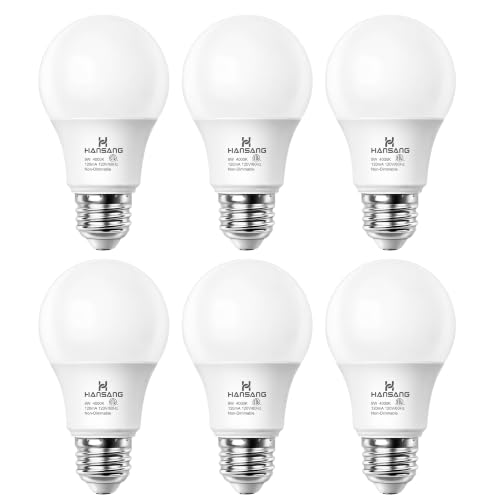
The Amazon Basics Dimmable A19 LED Light Bulb 6-pack is a straightforward, budget-oriented lighting upgrade designed for standard residential fixtures. Featuring a universal E26 medium screw base and a 40-watt incandescent equivalent profile, these bulbs are tailored for homeowners, renters, and property managers seeking reliable everyday illumination. They serve as direct replacements for older, power-hungry incandescent bulbs in floor lamps, table fixtures, hallway sconces, and ceiling fan sockets.
Regarding light quality, the product title and specifications highlight a 2700K Soft White color temperature. This Kelvin rating generates a warm, mellow tone that avoids the harsh blue undertones of cooler office lighting, making it well suited for bedrooms, dens, and living rooms. The integrated dimming functionality provides added versatility, allowing you to lower the light output for evening relaxation or dial it up for reading and casual tasks. As with most dimmable LEDs, real-world dimming smoothness depends on having a compatible wall dimmer installed.
In terms of physical design, each bulb features the familiar A19 bulb outline, measuring 2.37 inches in diameter by 4.13 inches in length. Weighing only 0.068 pounds, each bulb is lightweight and easy to handle during routine fixture maintenance. The standard E26 screw base installs smoothly into typical North American household sockets without requiring adapters or special wiring.
Energy efficiency and longevity are key advantages of this multipack. Operating at low wattage while delivering the visual equivalent of a traditional 40W bulb, these LEDs help keep electricity consumption low. Amazon Basics lists an estimated 10,000-hour operational life, which corresponds to over 9 years of usable life when operated for approximately 3 hours per day. This extended lifespan minimizes the chore of climbing ladders to replace burned-out bulbs in multi-socket fixtures.
A notable consideration for prospective buyers is the presence of conflicting descriptive details in the manufacturer listing. While the primary specifications designate these as 6W, 40W equivalent bulbs with a 2700K soft white profile, secondary bullet points mention 9W, 60W equivalent, and 5000K daylight values. Buyers seeking a strictly warm white ambiance should verify the packaging upon arrival. Additionally, the 10,000-hour rating is modest compared to 15,000- or 25,000-hour premium models, and specific dimmer compatibility is not detailed.
For buyers needing an economical, no-nonsense lighting solution, this Amazon Basics 6-pack offers solid practical value. If your priority is outfitting multiple household lamps with warm, dimmable, and energy-conscious illumination without spending extra on smart features, these bulbs represent a dependable everyday choice.
These Amazon Basics LED bulbs use a standard E26 medium screw base, which is the standard socket size found across the vast majority of residential light fixtures in the United States. This base allows for direct, screw-in installation without any need for socket adapters or wiring adjustments.
With physical dimensions of 2.37 inches wide by 4.13 inches high, these bulbs strictly follow the traditional A19 bulb form factor. This compact size ensures straightforward clearance inside standard lamp harps, enclosed ceiling globes, recessed wall sconces, and multi-arm chandelier fixtures.
The Soft White 2700K color temperature is specifically tuned to replicate the warm, golden glow of traditional incandescent bulbs. This warmer tone creates a relaxed, cozy atmosphere that works especially well in living rooms, dining rooms, and bedrooms where harsh, cool-white light would feel clinical.
Combined with dimming capability, the 2700K profile provides adaptable lighting that can transition from functional daytime ambient light to subtle, low-glare evening illumination. Using an LED-rated dimmer switch will ensure the most consistent light adjustment across your living space.


Understanding the Difference Between Light Output and Color Appearance
The direct answer to whether soft light or daylight is brighter is that neither one possesses inherently higher brightness. Brightness in consumer lighting is determined exclusively by lumens, which represent the total quantity of visible light emitted by a source. The terms soft light and daylight refer strictly to correlated color temperature, measured on the Kelvin scale. A standard LED bulb producing 800 lumens emits the exact same quantity of light whether it glows with a warm 2700K amber hue or a cool 5000K daylight tone.
Confusion arises because the human brain interprets light frequencies differently depending on wavelength and ambient contrast. Cooler color temperatures contain a higher concentration of blue light wavelengths, which stimulate photoreceptors in the eye and increase alertness. This heightened visual stimulation makes daylight appear sharper and more intense than soft light, even when both bulbs share the exact same lumen rating. Understanding this distinction prevents homeowners from mistakenly buying the wrong bulb when attempting to brighten a dim space.
The Fundamental Science: Lumens Measure Brightness While Kelvins Measure Color
To evaluate light bulbs effectively, buyers must separate quantitative brightness from optical warmth. Lumens indicate the physical volume of light that leaves a bulb, replacing traditional wattage as the primary brightness metric in modern LED lighting. For example, standard household A19 bulbs designed to replace old 60-watt incandescents typically generate around 800 lumens, while higher-output replacement options designed for larger spaces can reach 1500 to 2600 lumens. If maximum illumination is your primary goal, checking the lumen number printed on the lighting package provides the only reliable measurement of raw output.
Color temperature, by contrast, describes the visual appearance of the emitted glow on a numerical scale ranging from warm yellow to crisp blue-white. The Kelvin scale rates warmer light at lower numbers, such as 2200K to 2700K, while daylight typically falls between 5000K and 6500K. Manufacturers assign verbal descriptions like soft white, bright white, cool white, and daylight to these Kelvin numbers to help shoppers visualize the glow. Changing the color temperature does not increase the amount of light in a room, but it completely alters how colors, textures, and details look under that illumination.
Relying on traditional incandescent wattage equivalence can further muddy the waters when shopping for modern fixtures. Older incandescent bulbs consumed 60 watts or 100 watts of electrical power while emitting a narrow spectrum of warm light. Modern energy-efficient LEDs consume only 9 watts to 20 watts while producing identical or superior lumen levels across multiple color temperatures. Checking the actual lumen rating rather than the wattage equivalent ensures that you purchase the exact illumination level required for your room.
Why Daylight Feels Subjectively Brighter to the Human Eye
Human ocular physiology explains why many people perceive daylight bulbs as significantly brighter than warm alternatives. The retina contains both rod and cone photoreceptors, with rods reacting more intensely to shorter blue-green wavelengths under scotopic and mesopic conditions. Because daylight bulbs emit a heavy concentration of these shorter wavelengths, they prompt the pupil to contract and sharpen edge contrast. This increased optical sharpness creates an impression of intense clarity that feels brighter to our nervous system.
Circadian biology also plays a noticeable role in how we perceive daylight bulbs during daily activities. Exposure to blue-enriched light suppresses melatonin production in the brain, elevating alertness and heart rate. Soft white light, which mimics the low-angle warmth of sunset or candlelight, encourages relaxation and eases eye strain in the evening. Consequently, daylight bulbs produce an invigorating atmosphere that users naturally describe as bright, while soft light creates a restful environment that feels softer and dimmer.
Visual glare also factors heavily into the subjective sensation of brightness in living environments. High color temperatures scatter more easily inside the eye, which can create a perception of harsh glare when installed in unshaded fixtures. This optical scattering makes the light source stand out prominently against dark backgrounds, tricking the brain into registering higher intensity. Balancing daylight bulbs with proper diffusers prevents this heightened contrast from turning into uncomfortable visual fatigue.
Color Temperature Spectrum: Soft White, Neutral White, and Daylight Defined
Categorizing color temperatures into practical household ranges helps narrow down appropriate fixtures for different spaces. Soft white generally occupies the 2700K to 3000K range, producing a warm, yellowish illumination reminiscent of traditional incandescent filaments. This spectrum softens shadows and flatters skin tones, making it universally popular for cozy residential settings. Neutral white spans 3500K to 4000K, offering a clean, balanced appearance that removes heavy yellow undertones without drifting into icy blue territory.
Daylight lighting sits between 5000K and 6500K, mimicking the cool, clear light of midday skies. Bulbs in this category emphasize cool tones and make whites appear crisp and pristine rather than cream or off-white. In specialized products such as plug-in guide lights, a 5000K daylight tone provides clear visibility even at very low outputs, such as 40 lumens. When choosing between these ranges, consider whether a room requires relaxing ambient warmth, neutral balance, or high-contrast task illumination.
Comparing Actual Output: When Equal Lumens Produce Different Experiences
Directly comparing two bulbs with identical lumen ratings reveals how color temperature shapes real-world functionality. An 800-lumen soft white bulb installed over a kitchen island will cast a warm glow that invites conversation and dining. Replacing that bulb with an 800-lumen daylight model does not add any extra illumination to the countertop surface. However, the daylight bulb will highlight crumbs, sharpen printed recipes, and make stainless steel appliances gleam with crisp clarity.
This perceptual contrast can lead to buyer frustration if bulbs are chosen without considering spatial context. In a room painted with warm earth tones, wood paneling, or beige walls, daylight bulbs can make finishes look muddy, gray, or washed out. Conversely, using soft white bulbs in a laundry room or utility closet can make the area feel shadowy and sluggish. Matching the lumen output to the square footage and pairing that volume with the correct Kelvin rating prevents either under-lighting or harsh visual glare.
Reflective surfaces and paint sheens also interact distinctively with different points along the Kelvin scale. Glossy tile, polished stone, and white cabinetry reflect cool daylight spectrums efficiently, magnifying the sensation of ambient brightness. Matte finishes, dark wood floors, and warm textile furnishings absorb shorter blue wavelengths, absorbing daylight while glowing warmly under soft white light. Assessing the dominant colors and textures in your room helps predict how daylight or soft light will actually behave.
Room by Room Applications for Soft Light Versus Daylight
Living rooms and master bedrooms benefit most consistently from soft white bulbs in the 2700K to 3000K spectrum. These spaces are designed for relaxation, entertainment, and winding down at the end of the day. Warm lighting supports natural sleep cycles and integrates smoothly with fabric lampshades and upholstered furniture. When planning accent lighting or secondary fixtures, keeping color temperatures uniform across table lamps and floor lamps maintains visual cohesion.
Kitchens, bathrooms, and home offices frequently require neutral white or daylight bulbs to assist with focused tasks. In food preparation areas, crisp lighting makes it easier to inspect fresh produce, read expiration dates, and operate kitchen cutlery safely. When installing overhead pendant fixtures over an island or breakfast bar, choosing a neutral 4000K or daylight 5000K bulb provides clear visibility across your work surface. Bathrooms also benefit from cooler lighting near grooming mirrors, as it reveals true skin tones and eliminates yellow casts that distort cosmetics.
Garages, basements, and workshops represent prime applications for high-output daylight illumination. In these utility environments, delicate tasks like woodworking, vehicle maintenance, and storage organization demand maximum contrast. Bulbs delivering 1500 to 2600 lumens at 5000K eliminate dark corners and illuminate small hardware clearly. The invigorating effect of daylight spectrums in windowless basements also helps offset feelings of gloom during extended work sessions.
Color Rendering Index and Visual Clarity Across Color Temperatures
Color temperature tells only half the story when evaluating how vibrant your living space will look under artificial lighting. The Color Rendering Index, commonly abbreviated as CRI, measures how accurately a light source reveals colors compared to natural sunlight on a scale from 0 to 100. A daylight bulb with a low CRI rating can produce a bright, washed-out glare while rendering fabrics and wall art dull or distorted. Selecting bulbs with an 80+ or 85+ CRI rating ensures that both warm and cool lights bring out true pigments.
High color rendering proves especially critical when you pair cool daylight tones with colorful room decors. Daylight lighting naturally amplifies blues, greens, and cool grays, but lower-quality LEDs can mute rich reds and warm wood grains. High CRI ratings balance the spectrum so that complex colors remain vivid and natural under bright illumination. Checking the CRI specification alongside lumens and Kelvins gives you a complete picture of optical performance before installation.
Deep red tones, measured specifically by the R9 metric within color testing, often reveal the true quality of consumer LED bulbs. Inexpensive bulbs frequently skip red phosphor formulations to cut manufacturing costs, resulting in greenish or sickly casts under cool daylight temperatures. When bulbs feature balanced spectrums and respectable CRI values, daylight illumination looks crisp and clean rather than sterile or medicinal. Paying attention to these nuances prevents the disappointing institutional look often associated with cheap commercial LEDs.
Socket Types, Bulb Enclosures, and Beam Angles
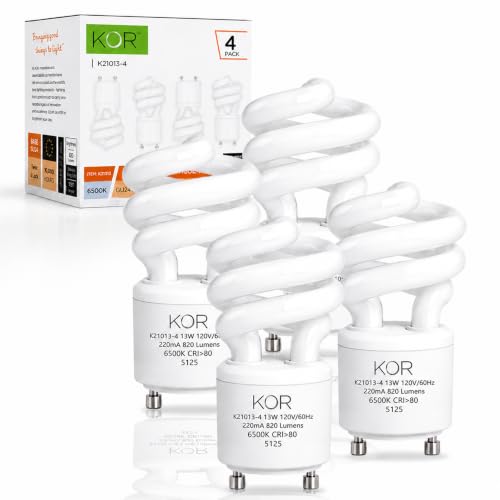
Evaluating physical compatibility is just as vital as choosing the correct brightness and color temperature. Most standard lamps and ceiling fixtures accept bulbs with a medium E26 standard base, which screws directly into traditional sockets. Other specialized fixtures, such as certain commercial pendants or energy-compliant ceiling units, require twist-and-lock GU24 bases that do not interchange with screw-in designs. Always verify the socket type on your existing fixture before selecting replacement bulbs.
Bulb profile and beam spread also affect how brightness distributes across a room. Compact A15 bulbs fit neatly into tight enclosed fixtures, ceiling fans, and appliances without protruding from shades. Larger A19 and A21 bulbs offer wider physical surface areas that support higher lumen outputs, while directional BR30 floodlights concentrate beams into recessed ceiling cans. Choosing the right physical envelope ensures the bulb fits inside the glass enclosure and projects illumination where you need it most.
Thermal management inside enclosed fixtures can also impact LED longevity and sustained light output over time. When powerful LED bulbs operate inside tight globes, heat buildup can cause driver degradation, lumen depreciation, or unwanted color shift. Checking whether a bulb is rated for enclosed fixtures or damp locations prevents premature failure in covered porches, bathrooms, and utility closets. Following fixture wattage limits and ventilation recommendations keeps your lighting performing reliably for its rated lifespan.
Dimming Controls and Color Temperature Management
Managing light intensity throughout the day often comes down to choosing between fixed bulbs and dimmable options. Non-dimmable LED bulbs are designed to provide consistent, steady illumination in standard on-off circuits, which works well in utility rooms, hallways, and closets. However, installing a non-dimmable bulb on a dimmer switch can cause rapid flickering, buzzing, or early component failure. If you plan to vary light levels according to time of day, verify that the packaging explicitly lists the bulb as dimmable.
Adjustable color temperature bulbs offer another practical way to solve the debate between soft light and daylight. Selectable CCT bulbs feature manual switches on the base that let you toggle between five preset temperatures, ranging from 2700K soft white to 5000K daylight. This flexibility allows you to test both options directly inside your living room or kitchen before committing to a permanent look. It also lets you repurpose bulbs between different rooms if your decorating plans or lighting needs change over time.
Practical Takeaways for Choosing Your Household Lighting
Selecting the ideal bulb comes down to balancing actual lumen requirements with the intended psychological mood of each space. If your primary goal is increasing room brightness, look strictly at the lumen rating and select a higher-output model regardless of color. If your goal is improving daytime focus and task clarity, daylight bulbs between 5000K and 6500K provide the crisp contrast you need. Pairing adequate lumens with the right Kelvin spectrum ensures every room in your home stays functional, comfortable, and visually appealing.





Write Your Review
No reviews yet. Be the first to share your experience!