


Porch breezes bring fresh air to outdoor seating areas, but steady gusts can quickly turn a peaceful evening into an unsettling display of swaying metal and rattling glass. When suspended lanterns move unpredictably, the motion stresses electrical wiring, damages nearby porch ceilings, and risks cracking delicate seeded or textured glass shades. Learning how to keep an outdoor pendant light from swinging protects your exterior lighting investment while maintaining a calm, well-lit patio environment. Homeowners often struggle to balance aesthetic hanging height with outdoor stability, especially when wind tunnels form under covered breezeways or open gazebos.
A swinging fixture is rarely a minor annoyance because continuous motion can loosen junction box fasteners and weaken chain links over time. Whether you are dealing with a plug-in outdoor lantern or a hardwired exterior chandelier, basic mechanical stabilizers, chain adjustments, and guide wires offer straightforward solutions. Reviewing proper techniques alongside general guidelines for hanging pendant fixtures can help identify why an installation moves excessively in the breeze. Understanding the physics of hanging lights allows you to apply practical fixes that stop harsh swaying without ruining the open-air charm of your outdoor living space.


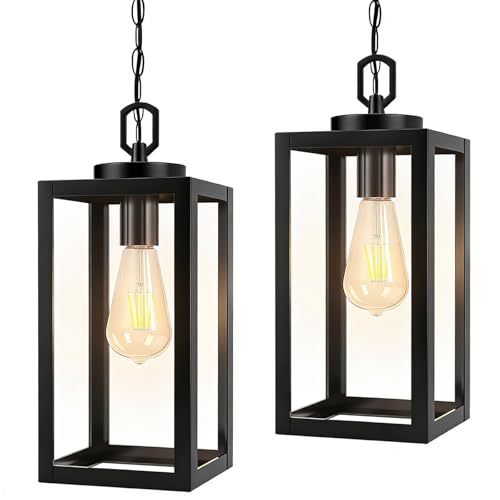

Practical Methods to Stabilize an Outdoor Pendant Light
Hanging fixtures bring welcoming ambiance to covered patios and entryways, but unexpected gusts of wind present unique mechanical challenges for suspended lighting. Stopping a swinging light requires addressing the physical forces that cause pendulum motion, including suspension length, fixture surface area, and overhead anchor stability. By applying the right combination of structural reinforcement and aerodynamic adjustments, you can keep your exterior lighting steady, silent, and secure throughout changing seasons.
The Physics of Pendant Sway and Why Outdoor Chains Move
Outdoor pendant lights behave like classical pendulums when exposed to ambient air currents. Every gust of wind exerts aerodynamic drag against the lantern body, pushing it off its vertical center of gravity. Once the fixture tilts, gravity attempts to pull it back down, creating a repeating oscillatory motion that can persist long after the wind subsides.
The length of the hanging suspension plays a defining role in how fast and how far a fixture swings. Longer suspensions produce a slower, wider swing that builds up considerable momentum over time. Conversely, shorter suspensions oscillate at a higher frequency but carry significantly less leverage against the ceiling canopy, making them much easier to manage.
Wind direction and localized air currents also amplify this pendulum effect. Covered porches, narrow breezeways, and open gazebos often act as natural wind tunnels that channel drafts directly into the fixture. When continuous drafts hit broad glass panels or wide metal shades, the trapped air generates lift and turbulent eddies, forcing the pendant to sway continuously.
Shortening Chain Length to Eliminate Pendulum Leverage
Reducing the total drop length is the simplest and most effective way to stabilize a chain-hung outdoor light. Many exterior lanterns come equipped with generous chain lengths, often reaching between 38 inches and 59 inches, designed to accommodate tall vaulted ceilings. If your ceiling height is standard, excess slack simply creates an unnecessary pendulum arm that catches every breeze.
You can remove unnecessary links using a pair of chain pliers or standard heavy-duty pliers wrapped in cloth to protect the metal finish. Always turn off power at the main breaker before handling the fixture to ensure absolute safety. Opening individual chain links allows you to shorten the drop, keeping the lantern closer to the ceiling canopy where air velocity is typically lower.
Remember to carefully bundle and feed the excess electrical cord back into the junction box or trim it according to manufacturer recommendations. A shorter chain minimizes the arc of movement and dramatically decreases the physical force transferred to the ceiling mount. For spaces with low clearances, hanging the fixture as close to the ceiling as visual aesthetics allow provides immediate stability.
Converting Chain Suspensions to Rigid Downrods and Stems
Flexible chain links provide no lateral resistance, which means even a gentle crosswind can initiate unwanted movement. Replacing a chain with a rigid metal downrod or threaded lighting stem transforms the flexible connection into a solid mechanical structure. Because downrods resist bending and twisting, they prevent the swinging motion entirely under normal weather conditions.
Many exterior lighting manufacturers offer matching stem kits with threaded couplers that integrate cleanly with existing canopy loops. When selecting a stem, verify the thread pitch and outer diameter against the collar on your fixture canopy and lantern top. Hard metal stems provide an uninterrupted conduit for the electrical wire while presenting a clean, modern aesthetic that holds the lantern firmly in place.
If your ceiling is angled or sloped, install a swivel adapter at the canopy connection to ensure the rigid stem hangs vertically without putting torsional stress on the mounting box. The swivel joint allows proper alignment during installation while locking out lateral wobble during wind exposure. This conversion offers a permanent, professional solution for breezy outdoor living areas.
Implementing Discrete Cable Guides and Stabilizing Guy Wires
When you prefer to keep a long decorative chain, tensioned guide wires provide remarkable stabilization without altering the primary hanging aesthetic. Thin stainless steel aircraft cables can be anchored from nearby porch posts, ceiling beams, or adjacent walls directly to the base of the fixture. Because braided stainless steel cable is extremely thin, it remains virtually invisible from normal viewing distances.
A three-point or two-point guide wire setup counteracts lateral wind forces from opposing directions. Install discreet eye hooks into solid framing members and secure the cables to the lower metal frame of the lantern using small aluminum ferrules or turnbuckles. Adjusting the turnbuckles applies gentle, balanced tension that holds the pendant centered without placing excessive strain on the electrical box.
Alternatively, you can run a single vertical guide wire from the bottom of the pendant straight down to the porch deck or patio railing. A weighted spring anchor at the floor level keeps the vertical line taut while absorbing minor thermal expansion and structural shifts. This vertical tether completely restricts side-to-side swing while preserving the open, airy look of your porch chandelier.
Reinforcing the Ceiling Canopy and Junction Box Mounting
A swinging pendant light transfers significant dynamic loads to the ceiling canopy and the electrical junction box behind it. Standard residential junction boxes fastened solely to thin vinyl or wood porch soffits lack the structural rigidity needed to withstand repeated rocking motions. Over time, that continuous movement can loosen mounting screws, crack ceiling panels, and compromise ground connections.
Ensure your outdoor junction box is securely anchored to solid ceiling joists or backed by a heavy-duty ceiling fan brace. Fan-rated electrical boxes are specifically engineered to handle dynamic lateral loads and vibrations, making them ideal for exterior hanging fixtures. Upgrading to a fan-rated mounting bracket prevents the canopy from flexing or pulling away from the ceiling plane.
Check that the canopy lock collar and mounting crossbar are tightened flush against the exterior surface without any play. If the mounting surface is uneven, such as lap siding or grooved porch beadboard, install a flat mounting block to create a stable, flush foundation. A solid overhead anchor point ensures that any remaining vibration does not loosen electrical connections inside the box.
Aerodynamic Considerations and Shade Design Dynamics
The physical geometry of an outdoor pendant shade directly influences how much wind energy it captures. Solid, broad-sided metal shades or large drum pendants act like sails that catch incoming breezes and generate strong aerodynamic lift. In contrast, open-cage lantern frames and streamlined cylindrical fixtures allow air to pass straight through with minimal resistance.
Fixtures featuring seeded glass, crackle glass, or open-bottom lantern housing strike a balance between weather protection and airflow. Seeded glass panels protect sensitive electrical components and bulbs while adding substantial physical weight that helps anchor the pendant naturally. An open bottom prevents rising warm air from creating internal pressure pockets during windy conditions.
If your exterior space faces persistent high winds, consider selecting fixtures constructed with die-cast aluminum or heavy forged iron frames. Heavier metal construction lowers the center of gravity and increases the inertia required for wind to move the lantern. Avoiding lightweight, wide-diameter fabric or plastic shades in unsheltered exterior areas will drastically cut down on unwanted motion.
Porch Windbreak Strategies to Block Draft Corridors
Sometimes the most effective way to protect a hanging light is to control the environmental airflow around the porch itself. Wind often accelerates around building corners, sweeping across covered entryways in narrow, high-speed gusts. Identifying where outdoor breezes enter your living area helps you place strategic architectural buffers that redirect the wind away from the fixture.
Installing exterior roller shades, decorative lattice panels, or tall potted plants along porch perimeters can dissipate strong drafts before they reach the ceiling. Outdoor curtains made from heavy weather-resistant fabric also absorb wind energy while creating a cozy, secluded outdoor room. By breaking the wind corridor, you reduce the ambient air velocity around your suspended lighting fixtures.
Re-evaluating the physical placement of the pendant can also yield significant stability improvements. Moving a hanging light a few feet closer to an exterior house wall or tucking it further beneath an overhanging soffit shields it from direct wind exposure. Even minor shifts in placement can place the lantern within a protected aerodynamic pocket where calm air prevails.
Evaluating Hardware Wear and Performing Routine Safety Inspections
Wind-driven movement inevitably accelerates physical wear across all structural components of an exterior light. Chain links subjected to friction can wear down protective powder coats or stoved finishes, exposing underlying metal to moisture and outdoor corrosion. Checking the integrity of chain links, canopy nuts, and glass retaining clips should be part of your seasonal home maintenance routine.
Just as you would follow practical tips for cleaning and maintaining hanging fixtures, inspect the electrical wire threaded through the chain for signs of chafing or cracking. Repetitive swaying can cause the insulation on internal power conductors to rub against sharp chain edges, creating potential electrical hazards. If you discover frayed insulation or loose junction box fasteners, turn off power immediately and repair the damage.
Examine glass panes for hairline fractures or loose silicone gaskets that could rattle or shatter during a sudden wind gust. Ensuring that glass panels are cushioned by heat-resistant rubber or silicone dampers prevents glass-on-metal impact when minor swaying occurs. Tightening all accessible screws and inspecting hanging loops ensures the fixture remains safe and fully operational.
Feature Comparison for Wind-Resistant Exterior Pendants
When selecting a new outdoor hanging light, analyzing specific structural attributes helps determine how well it will withstand windy conditions. Certain models incorporate heavy die-cast aluminum frames and thick seeded glass, providing natural heft that resists gentle breezes. Other designs feature sloped-ceiling canopy adapters that provide tight, rigid mechanical mounting points.
Fixtures designed with integrated dusk-to-dawn sensors and advanced motion detection require stable positioning to perform reliably. Excessive swaying can trigger motion detectors erratically or angle optical sensors away from walkways, reducing lighting security. Choosing a fixture with an adjustable chain allows you to tailor the drop height precisely to the shelter level of your porch roof.
Plug-in outdoor pendants offer unmatched installation versatility with long designer cords, but their flexible suspension requires extra stabilization in breezy locations. In contrast, hardwired fixtures mounted to reinforced electrical boxes provide a firmer foundation that supports downrods or tensioned guide lines. Matching the mechanical design of your fixture to your local climate conditions guarantees reliable outdoor performance.
Practical Action Plan for Securing Your Hanging Fixture
Stabilizing an exterior pendant light begins with assessing your specific porch conditions and current hanging configuration. Start by observing the lantern during a breezy afternoon to determine whether the movement is caused by a wind tunnel, an excessively long chain, or a loose canopy mount. Taking a systematic approach ensures you apply the simplest fix before undertaking more complex modifications.
For most installations, shortening the chain by a few links or switching to a rigid stem provides an immediate and lasting remedy. If ceiling constraints require a long drop, installing discreet stainless steel stabilizing cables or tensioned bottom tethers will secure the fixture against lateral motion. Always prioritize electrical safety by disconnecting power at the service panel before making any structural adjustments.
Maintaining a steady, motionless outdoor pendant light protects your home from unnecessary damage and preserves the welcoming glow of your exterior spaces. With the right stabilization techniques in place, you can enjoy a beautifully lit porch, entryway, or gazebo without the distracting noise and risk of swaying lanterns.




Write Your Review
No reviews yet. Be the first to share your experience!