


Finding the right illumination for a dining area often begins with reconsidering the centerpiece above the table. Many homeowners discover that a traditional, elaborate hanging fixture feels too formal, hangs too low for comfortable conversation, or fails to spread illumination evenly across the room. Learning how to light a dining room without a chandelier allows you to design a balanced atmosphere that highlights both your dining furniture and surrounding decor. You can easily create an inviting dining environment by pairing balanced overhead fixtures with perimeter accent lamps.
Careful planning begins with understanding how various light sources interact across your dining space during meals and social gatherings. Selecting energy-efficient fixtures paired with balanced natural light bulbs helps bring out authentic food colors while reducing harsh overhead shadows. Modern linear pendants, flush ceiling mounts, directional spotlights, and wall-mounted fixtures offer flexible illumination tailored to modern lifestyles. The curated fixtures below showcase dependable, versatile ceiling models that provide practical alternatives to traditional hanging centerpieces.


Practical Strategies for Lighting a Dining Room Without a Chandelier
Replacing a heavy central fixture gives you complete creative freedom over how light interacts with your table surface, walls, and architectural details. A well-designed dining space does not rely on a single overpowering light source in the middle of the ceiling. Instead, the most functional dining rooms combine purposeful overhead fixtures, vertical wall brightness, and dimmable controls to establish an inviting mood. Understanding your ceiling height, room dimensions, and furniture arrangement ensures every diner enjoys comfortable illumination without unwanted glare.
Why Many Dining Spaces Benefit from Skipping a Traditional Chandelier
Traditional chandeliers often present functional challenges that complicate everyday dining and entertaining. In rooms with standard eight-foot ceilings, deep hanging fixtures can obstruct sightlines across the table and produce uncomfortable glare right at eye level. Tall diners may also risk bumping their heads when standing or leaning across the table during shared family meals. Opting for low-profile ceiling fixtures or streamlined pendants preserves vertical clearance while keeping the space visually open.
Room layouts also frequently clash with the rigid placement requirements of traditional multi-tiered fixtures. Builders often install ceiling junction boxes in the mathematical center of the room rather than directly over where your dining table naturally sits. Aligning a bulky chandelier with an off-center table creates an awkward visual disconnect that feels unresolved. Modern lighting alternatives allow you to adapt your illumination to your actual furniture placement rather than fighting fixed wiring locations.
The Three-Layer Lighting Concept for Chandelier-Free Rooms
Effective interior illumination relies on balancing ambient, task, and accent lighting across the entire dining area. Ambient lighting provides general background brightness so family members can navigate the room safely and comfortably. Task lighting focuses direct downward illumination onto the tabletop surface for dining, working on laptops, or playing games. Accent lighting highlights architectural trim, artwork, or decorative buffets to create depth and visual warmth.
Relying on a single hanging fixture often leaves room corners dark while overexposing the center of the table. By distributing illumination across multiple fixtures, you eliminate harsh shadows and soften high-contrast zones around dinner guests. This layered approach also gives you precise control over the room ambience for different activities throughout the day. You can leave accent lights on for intimate dinners or engage full ambient illumination for family meal preparation.
Linear Pendants and Island Fixtures for Rectangular Tables
Rectangular dining tables require illumination that extends along their entire length rather than radiating from a compact circular hub. Linear pendants and open-frame island fixtures excel at casting balanced light from one end of a long table to the other. Fixtures like the Boncoo 6 Light Black Chandeliers for Dining Room utilize an elongated rectangular steel frame with six sockets to spread brightness across longer surfaces. This broad distribution ensures diners seated at the head of the table enjoy the same clarity as those in the middle.
Linear designs also introduce clean geometric profiles that complement modern, transitional, and industrial interiors. Fixtures such as the Modern Crystal Chandeliers for Dining Room,8 Light incorporate eight individual K9 crystal shades along a slim horizontal body. The refractive crystal cubes scatter downward light without generating the bulky visual footprint of traditional tiered glass. Because linear fixtures align naturally with dining table silhouettes, they anchor the dining zone with balanced proportions.
Streamlined Geometric and Multi-Arm Hanging Fixtures
Homeowners seeking dynamic visual interest often choose contemporary multi-arm fixtures instead of conventional heavy centerpieces. Designs like the 6-Light Modern Farmhouse Black Chandelier feature interlocking Y-shaped arms paired with cylindrical clear glass shades. These architectural arms spread multiple bulb sockets outward, delivering generous illumination across a broader dining area. The transparent glass shades gently wrap each light source to diffuse brightness across the entire table setting.
Open-cage silhouettes offer another popular aesthetic that maintains uninterrupted sightlines throughout open-concept living and dining rooms. Minimalist options such as the Black Farmhouse Chandelier utilize an airy four-light lantern structure that frames the bulbs without blocking light. Similarly, the Black Chandeliers, 6 Light Dining Room Light pairs clean metal framing with vertical glass cylinders to provide structured elegance. Because these open frames lack solid panels, light travels freely toward surrounding walls and ceilings.
Warm Organic Pendants and Drum Fixtures for Casual Dining
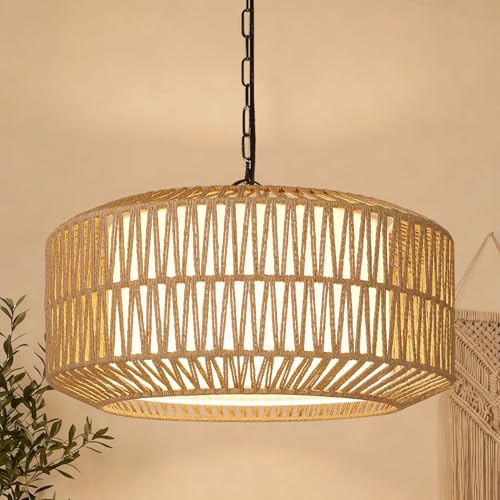
Natural materials bring texture, warmth, and casual sophistication to dining rooms that feel too sterile with exposed metal fixtures. Drum-style pendants like the 19″ Rattan Chandelier for Dining Room feature hand-woven abaca rattan fibers that wrap multiple internal sockets. The woven patterns filter direct bulb glare while casting intricate light patterns across the table and nearby walls. This soft diffusion produces an inviting bohemian or coastal aesthetic well suited for casual family dining.
Drum shades also shield guests from looking directly into bare light bulb filaments during dinner conversations. In open-bulb fixtures, clear glass shades can sometimes feel overly bright if high-lumen bulbs are installed without a dimmer. Enclosed or woven drum shades create a gentle, diffuse glow that flatters dinner guests and softens table shadows. The natural fibers complement wood dining tables, linen runners, and indoor house plants effortlessly.
Flush and Semi-Flush Ceiling Fixtures for Low Ceilings
Rooms with lower ceiling heights often cannot accommodate hanging pendants without creating an uncomfortable, cramped atmosphere. Flush and semi-flush ceiling fixtures mount directly against or close to the ceiling drywall to maximize vertical headroom. Compact options like the Black Chandelier, 6-Light Farmhouse Chandelier feature folding arms that adjust close to the ceiling canopy using short extension rods. This low-profile setup allows you to position six candelabra sockets overhead without crowding the vertical space above the table.
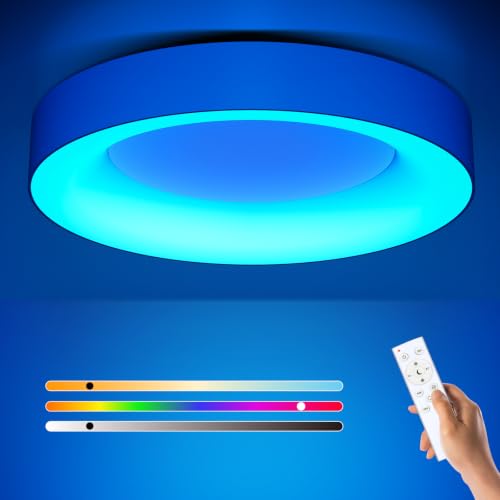
Semi-flush mounts leave a slight gap between the fixture body and the ceiling, allowing upward light to reflect off the paint. This indirect upward bounce visually raises low ceilings and makes compact dining rooms feel significantly larger. In modern basements or lower-level dining rooms with specialized ceiling tiles, integrating flat drop ceiling LED panels provides clean, glare-free overhead illumination that preserves every inch of clearance. Flat panel fixtures blend seamlessly into the grid while distributing uniform, shadow-free light across dining spaces.
Perimeter Lighting: Wall Sconces and Directional Spotlights
Illuminating the vertical surfaces of a dining room is essential for creating warmth and visual expansiveness without a central ceiling fixture. Dark walls make a room feel smaller and cause overhead fixtures to feel harsh and clinical in contrast. Adding decorative wall-mounted lamps and sconces along dining room side walls casts flattering light at eye level. This peripheral brightness softens shadows on diners faces and draws the eye outward to the boundaries of the room.
Directional ceiling spotlights and track lighting heads offer another flexible perimeter method for dining room illumination. You can aim adjustable spotlights at framed wall art, textured accent walls, or decorative sideboards to build visual interest. Reflected light from accent walls then bounces back into the room as soft, glare-free ambient illumination. This technique shifts the focal point away from ceiling fixtures and highlights your curated home furnishings.
Plug-In Solutions for Renters and Rooms Without Ceiling Boxes
Many rental apartments, historic properties, and loft homes lack central ceiling junction boxes in the dining area. Running new electrical wiring through plaster or concrete ceilings can be prohibitively expensive or forbidden by lease agreements. An arched cantilever floor lamp provides an elegant plug-in solution by reaching gracefully from a wall corner over the table. The heavy weighted base rests safely out of walking paths while the overhead shade centers directly above your dining surface.
Plug-in swag pendant lights offer another convenient alternative for dining tables located far from existing electrical outlets. A swag pendant uses an extended cord with an inline switch that routes up the wall and across the ceiling via hooks. This setup lets you place the light source exactly over the center of your table regardless of wall outlet locations. You can choose decorative fabric-wrapped cords and stylish ceiling anchors to make the exposed wiring look intentional and modern.
Hanging Heights, Proportions, and Clearance Guidelines
Proper hanging height is critical for ensuring non-chandelier fixtures look balanced and function comfortably over a dining table. As a general rule, the lowest point of any hanging fixture should sit between 30 and 36 inches above the tabletop. This vertical clearance prevents the fixture from blocking cross-table eye contact while keeping bulb brightness close enough to illuminate place settings. If your room features ceilings taller than eight feet, raise the fixture approximately three inches for each additional foot of ceiling height.
Mounting hardware also influences how stable and adaptable your hanging fixture remains over time. Fixtures equipped with rigid splicing rods, such as the 6-Light Modern Farmhouse Black Chandelier and Black Chandelier, 6-Light Farmhouse Chandelier, reduce swaying caused by drafts or ceiling fans. Conversely, chain-hung models like the Black Farmhouse Chandelier and Boncoo 6 Light Black Chandeliers for Dining Room adapt easily to sloped or vaulted ceilings. Inspecting your ceiling slope before purchasing ensures your canopy hardware mounts flush against the surface.
Bulb Selection, Color Temperature, and Dimmer Controls
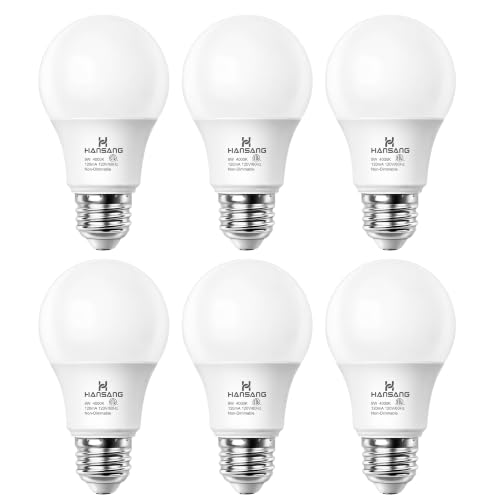
Selecting appropriate light bulbs is just as important as choosing the fixture body when lighting a dining area. Socket types vary across fixture designs, ranging from standard E26 medium bases to smaller E12 candelabra and specialized G9 bi-pin sockets. Models like the Black Chandeliers, 6 Light Dining Room Light utilize standard E26 bases, offering broad bulb flexibility from vintage Edison styles to frosted LED globes. In contrast, compact fixtures like the Modern Crystal Chandeliers for Dining Room,8 Light require G9 bulbs that slip neatly into crystal shades.
Color temperature plays a major role in establishing the dining room mood and enhancing the appearance of prepared food. For dining spaces, opt for warm white bulbs rated between 2700K and 3000K to produce a welcoming, cozy atmosphere. Installing a dedicated wall dimmer switch is equally essential for achieving complete flexibility over your dining illumination. Before purchasing dimmer switches, verify that your chosen LED bulbs and dimmer controls share verified compatibility to prevent annoying buzzing or flicker.
Safe Electrical Preparation and Installation Verification
Proper electrical preparation ensures that your new lighting installation remains safe, secure, and durable for years to come. Always turn off power to the dining room lighting circuit at your main electrical breaker panel before touching existing wiring. Use a non-contact voltage tester to confirm that no electrical current flows through the wires before removing your old fixture canopy. Check that your ceiling electrical junction box is firmly anchored to a ceiling joist and rated for the weight of your new fixture.
Once installation is complete, restore power at the breaker panel and test your dimmer switch across its full operating range. Watch for any flickering, delayed startup, or unexpected buzzing noises that might indicate a loose wire or incompatible switch. If your dining space requires new electrical rough-in work or complex ceiling modifications, consulting a licensed electrician is always recommended. Choosing the right combination of balanced fixtures, comfortable color temperatures, and smooth dimming controls creates an inviting dining space you will enjoy every day.






Write Your Review
No reviews yet. Be the first to share your experience!