


Every home lighting upgrade or maintenance task eventually starts with a socket that needs the right lamp. Installing an incorrect bulb can lead to dim lighting, excessive energy waste, or dangerous overheating inside the fixture housing. Learning how to find wattage of a light bulb allows homeowners to maintain safe electrical loads while selecting the appropriate brightness for each living area. Whether you are adjusting ambient lighting in a living room or carefully positioning a reading lamp for bed, identifying power ratings is essential. Taking a few moments to inspect existing hardware prevents common electrical mismatches before you purchase replacement bulbs.
Wattage represents the rate of electrical power a light source consumes rather than the total amount of illumination it casts into a space. Older incandescent fixtures relied entirely on this number to estimate brightness, but modern residential lighting requires a clearer understanding of how operating power interacts with fixture safety limits. Inspecting the stamped markings on existing glass envelopes or checking fixture safety stickers provides the critical operating numbers you need. Knowing these exact ratings helps you preserve fixture wiring, protect delicate shades, and select efficient replacements with complete confidence.

Practical Methods to Determine Light Bulb Wattage
Discovering the exact electrical draw of an unfamiliar bulb requires checking a few reliable physical indicators or applying standard electrical formulas. Most consumer bulbs feature permanent factory markings on the glass or plastic housing that state their operating requirements directly. When those printed numbers wear off from heat and age, inspecting the fixture socket label or calculating power using basic voltage and current ratings will reveal the necessary information. Following a systematic identification process ensures that every fixture receives a safe, compatible replacement that delivers reliable illumination.
Inspecting the Markings on the Bulb Envelope and Base
Factory markings offer the most direct way to verify the power consumption of any standard residential light. Manufacturers typically print these specifications directly onto the glass crown of incandescent globes or along the ceramic and plastic collar of compact fluorescent and LED models. Metal screw bases on specialty bulbs occasionally feature stamped numbers pressed into the aluminum or brass threading. Taking the bulb out of an unplugged or switched-off fixture allows you to inspect these exterior surfaces under strong direct illumination.
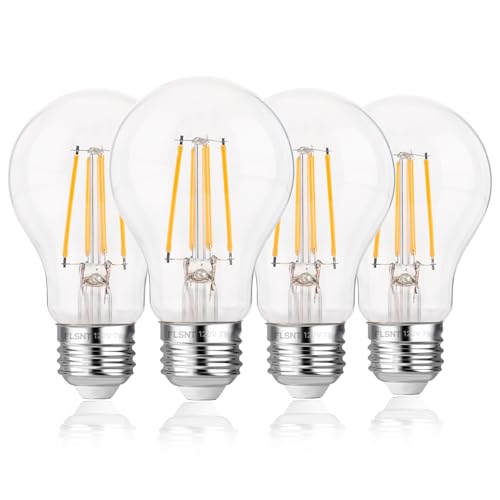
The printed information usually appears as a compact alphanumeric code that combines wattage with operating voltage. An incandescent bulb might display a label such as 60W 120V etched lightly into the top dome of the glass. Modern LED options often list both their actual power consumption and an equivalent brightness rating to assist consumers during replacements. For instance, a small collar stamp might state 9W alongside a separate reference to a traditional sixty-watt incandescent equivalent.
Deciphering faint or worn markings requires gentle cleaning and proper lighting angles to reveal the remaining etched pigment. Years of thermal cycling can cause factory ink to fade, flake, or smudge across the smooth glass surface. Wiping the cooled envelope with a clean, dry microfiber cloth removes accumulated dust and oily residues that obscure tiny lettering. Holding the bulb beneath a focused flashlight while rotating it at shallow angles often exposes subtle factory stampings that remain invisible under ambient room lighting.
Checking Fixture Sockets and Manufacturer Safety Labels
When a burned-out bulb lacks legible text entirely, the lighting fixture itself provides critical boundary guidance for wattage selection. Underwriters Laboratories and other recognized testing bodies require certified consumer luminaires to display clear electrical rating labels. These stickers are usually affixed directly to the porcelain or plastic socket cup, the interior of a metal shade, or the fixture mounting canopy. Locating this label reveals the maximum operating wattage that the fixture wiring and thermal design can safely handle.
The socket sticker typically specifies an explicit ceiling such as caution: risk of fire, max 60 watt type A lamp. This rating does not necessarily identify the exact bulb that was previously installed, but it defines the absolute upper limit for any replacement. Installing a bulb that exceeds this stated maximum creates excessive heat buildup that degrades wire insulation and creates genuine fire risks. When maintaining high-end lighting installations, consulting care instructions such as our practical guide on how to clean a brass chandelier can help you safely inspect delicate multi-socket clusters without disturbing electrical connections.
Enclosed fixtures and recessed ceiling cans impose particularly strict thermal constraints on allowable bulb wattage. Trapped heat cannot dissipate freely inside sealed globes, leading to accelerated component failure and compromised socket integrity. Fixture labels frequently differentiate between open and enclosed ratings to reflect these dangerous thermal dynamics. Checking the fixture specifications guarantees that your chosen replacement stays safely within engineered thermal thresholds while delivering consistent room brightness.
Calculating Wattage Using Voltage and Current Ratings
Electrical power can always be determined mathematically when a bulb lists its operating voltage and current instead of total watts. The fundamental electrical power equation states that wattage equals voltage multiplied by amperage. This straightforward relationship governs both standard line-voltage residential bulbs and specialty low-voltage lighting systems. Applying this simple formula allows homeowners to deduce power draw quickly whenever ampere specifications are visible on components.
Standard household sockets in North America supply roughly one hundred twenty volts of alternating current to connected light sources. If a specialty bulb or miniature appliance lamp lists an operating draw of zero point five amperes at one hundred twenty volts, multiplying those two values yields sixty watts of total power consumption. Low-voltage landscape systems or under-cabinet puck lights operating on twelve volts draw significantly higher current for an equivalent power level. Verifying the input voltage before multiplying prevents major mathematical errors when calculating total wattage.
Dedicated drivers and low-voltage transformers frequently list output specifications on external metallic identification plates. These power supplies convert standard household electricity into regulated direct current or lower alternating voltages for specialized fixtures. Multiplying the rated output voltage by the maximum rated output current provides the total system wattage capacity for all connected lamps. Keeping your total lamp load below this calculated transformer threshold protects the driver from premature burnout and erratic flicker.
Finding Specifications on Miniature and Holiday Bulbs
Miniature holiday lights represent a unique identification challenge because their tiny glass envelopes lack space for printed text. String sets operate bulbs wired together in series circuits, which divides household line voltage across dozens of individual sockets. Because individual lamps share the incoming electrical supply, each tiny filament operates at a precise fraction of the total line voltage. Misidentifying replacement miniature lamps can cause rapid string burnout, melted plastic bases, or dark decorative displays.
Replacing miniature lamps requires consulting the UL safety tag attached near the plug or matching the exact string count. For example, the Mudder 200 Mini Replacement Christmas Light Bulbs are explicitly engineered for fifty, one hundred, one hundred fifty, or two hundred count wire sets. Manufacturer specifications indicate that these incandescent bulbs operate at two point five volts, zero point four two five watts, and zero point one seven amperes. Using replacements with mismatched voltage or wattage ratings causes uneven current distribution that overloads adjacent filaments across the wire run.
Replacing these small incandescent units requires methodical handling to maintain electrical integrity and physical alignment. Unplug the entire decorative light strand before attempting to extract any broken or discolored plastic lamp bases from their sockets. Check that the two thin copper lead wires on the new replacement bulb fold neatly along opposite sides of the plastic base without crossing or touching. Press the replacement firmly into the empty socket at a right angle so the contacts seat securely against the internal string terminals.
Managing seasonal lighting runs safely also involves pairing properly matched replacement bulbs with automated controls. When balancing indoor or outdoor holiday displays, integrating a dedicated Christmas lights timer and remote helps maintain consistent operating schedules while minimizing unnecessary electrical load on strings. Checking total string wattage before daisy-chaining multiple sets prevents blown fuses inside polarized male plugs. Taking time to inspect individual lamp ratings ensures your festive lighting remains vibrant and dependable throughout the season.
Distinguishing Actual Wattage from Equivalent Wattage
Modern energy-efficient lighting has shifted how consumers interpret wattage specifications on retail packaging and product hardware. Historically, buyers relied on wattage as a convenient shorthand for brightness because incandescent technology consumed power at relatively predictable efficiency rates. A forty-watt incandescent bulb produced a modest glow, while a one-hundred-watt model illuminated an entire living space. Contemporary solid-state lamps break this direct link by generating identical light levels while drawing a fraction of the operating electricity.
Lumens now serve as the official measurement for perceived light output, while wattage strictly quantifies energy consumption. An LED package might prominently display sixty-watt equivalent on its front face while consuming only eight point five actual watts of electrical power. Fixture safety ratings always refer to actual electrical power consumed and thermal heat generated rather than advertised equivalent output. This distinction allows homeowners to install nine-watt LED bulbs that deliver the brightness of seventy-five-watt incandescents inside forty-watt rated sockets without safety concerns.
Failing to separate actual power from equivalent output can also cause unexpected operational quirks with existing dimmers and electronic controls. Solid-state lighting draws minimal current, which can fall below the minimum operational threshold required by traditional incandescent wall dimmers. When circuits lack sufficient resistive load, sensitive LEDs can buzz, flicker, or fail to extinguish completely when switched off. Always verify the actual operating wattage on the product specification label when pairing modern bulbs with automated lighting controls.
Using a Plug-In Watt Meter to Measure Real Power Draw
When physical markings are unreadable and mathematical estimates feel uncertain, dedicated power meters provide precise real-time measurements. Compact plug-in electrical monitors plug directly into any standard wall outlet and feature a receptacle that accepts your lamp plug. Once the fixture is switched on, the internal digital display calculates the exact power drawn in real time. This diagnostic approach eliminates guesswork for portable desk lamps, bedside luminaires, and decorative table fixtures.
Reading real-time wattage numbers offers immediate insight into the operational efficiency of older or unmarked fixtures. Incandescent filaments register stable wattage almost instantaneously, while compact fluorescent lamps require several minutes of warm-up before stabilizing at their rated operating draw. Modern solid-state drivers may exhibit minor power factor variations, but the meter accurately registers total active watts consumed. Recording these live numbers helps you identify inefficient legacy bulbs throughout the home that are prime candidates for modern upgrades.
Direct testing with advanced multimeters should be reserved for low-voltage systems or undertaken by qualified electrical professionals. Measuring line-voltage current on hardwired ceiling fixtures requires working near exposed conductors, introducing severe shock and arc hazards. Consumer plug-in meters provide a completely isolated, safe testing environment that protects DIY homeowners from dangerous live voltage exposure. If an unmarked hardwired ceiling fixture requires load verification, consulting a licensed electrician ensures testing complies with local safety standards.
Selecting the Right Replacement Wattage for Residential Spaces
Choosing an appropriate replacement wattage involves balancing illumination requirements against fixture thermal limits and circuit safety. Begin by verifying the socket safety label to establish your non-negotiable upper threshold for actual power consumption. Once that ceiling is clear, determine the desired lumen output and color temperature suitable for the specific living activity. Prioritizing low actual wattage paired with high lumen output optimizes visibility while keeping utility costs and thermal wear to a minimum.
Task areas like kitchen prep counters and home offices benefit from brighter illumination levels that traditionally required heavy power consumption. Replacing older seventy-five-watt halogen or incandescent floodlights with twelve-watt LED equivalents reduces circuit load while improving visual clarity. Living rooms and bedrooms generally call for softer, warm white lighting that supports relaxation and reduces evening glare. Matching the bulb style to the shade design ensures even light distribution across the room without harsh hot spots.
Maintaining balanced wattage distributions across shared lighting circuits protects residential electrical panels from nuisance breaker trips. Summing the individual wattage ratings of all bulbs connected to a single circuit branch prevents unintentional overload conditions. Modern energy-saving upgrades offer substantial safety margins by drastically reducing overall circuit amperage. Verifying every bulb rating before installation ensures reliable performance, preserves fixture life, and keeps home lighting systems operating safely.




Write Your Review
No reviews yet. Be the first to share your experience!