

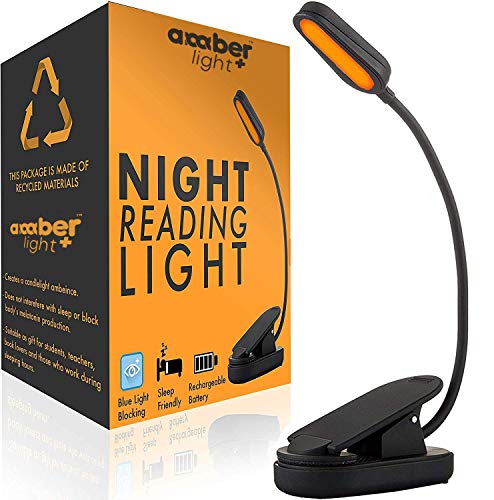
Harsh overhead illumination can instantly ruin a sleepy bedroom vibe and wake a sleeping partner. Narrow beam angles, targeted red spectrums, and low-kelvin amber diodes solve this nightly friction by directing illumination strictly onto printed pages or screens. Securing a dependable book light that won t disturb partner that doesn’t spill stray glow requires checking lumen output, gooseneck flexibility, and glare shielding so late-night reading won’t turn into a midnight dispute across the mattress. Readers who coordinate nighttime accessories alongside top rated compact led lights appreciate directional fixtures that confine brightness strictly to personal spaces.
Careful analysis of lighting configurations, optical spread, battery runtimes, and user feedback reveals that narrow beam shaping prevents disruptive ambient light spillage. Dedicated sleep-therapy designs like 670nm red diodes and 1600K amber LEDs keep blue spectrum wavelengths out of your eyes while preserving natural melatonin levels for bedtime rest. Lower brightness settings, dimming steps, and flicker-free flat panel plates also give you custom control over nighttime pages without bouncing reflection across the room. Investing in a properly shielded book light that won t disturb partner lets you finish another chapter peacefully while your partner sleeps undisturbed through the night.


Helpful Guidance for Shared Bedroom Reading
Does amber light or red light prevent partner disturbance better?
Both red and amber wavelengths prevent partner disturbance effectively, but 670nm red light offers the least circadian disruption. Red wavelengths mimic sunset hues and produce virtually zero blue light spillage, making them exceptionally gentle on a sleeping partner’s eyes. Warm 1600K amber LEDs provide clearer contrast for fine print while keeping brightness minimal. The ideal choice depends on whether you prefer high text clarity or maximum melatonin preservation during late reading hours.
How do narrow beam angles protect a sleeping partner from glare?
Narrow beam lenses focus light strictly across the open page spread rather than scattering glow into the wider room. Flat panel page designs and hooded mini-LEDs direct the illumination downward at a shallow angle. This concentrated coverage prevents bouncing light off bedspreads or walls toward a sleeping partner. Keeping the beam constrained ensures your reading session stays private and unobtrusive.
Can a flat page reading light work without waking someone nearby?
Yes, flat clear panel lamps illuminate the exact book page evenly without projecting stray beams across the bed. The acrylic plate diffuses light directly through the text, acting as a built-in optical shield. With adjustable color modes and dimmable output, you can set the lowest workable brightness for the dark room. It provides an ideal surface-confined light path that leaves the rest of the bedroom in total darkness.
How much battery runtime can you expect from a rechargeable Book Light That Won T Disturb Partner?
Rechargeable reading lights typically deliver between 20 and 35 hours of runtime on lower brightness settings. Units with 1000mAh lithium-ion batteries charge rapidly via standard USB connections in about 4 hours. Longer battery life ensures consistent illumination without sudden dimming or mid-chapter interruptions. Similar to portable units like collapsible led lights with carrying case designs, reliable battery cells make nighttime reading hassle-free.
What brightness settings are best when sharing a bed in 2026?
Low settings between 20 and 40 lumens provide sufficient contrast for reading without casting unwanted room glare. Starting on the lowest step allows your eyes to adjust to darkness naturally without waking a nearby sleeper. Higher settings near 80 lumens should remain reserved for daytime tasks or solo reading sessions. Multi-step dimming or timer auto-shutoff features further guarantee the light will not stay on if you fall asleep mid-page.


Write Your Review
No reviews yet. Be the first to share your experience!