


Entering a home improvement aisle or browsing online catalogs often creates confusion when deciding what is a good light bulb wattage for everyday household fixtures. For generations, homeowners simply grabbed a sixty-watt or one-hundred-watt incandescent bulb based entirely on how bright they wanted a room to feel. Modern light-emitting diode options operate differently by drawing only a fraction of that electrical power while delivering equal or superior illumination. Because newer lighting separates electricity consumption from visual output, determining the best option requires understanding both energy draw and lumen ratings.
Finding the right balance depends heavily on the specific room, the fixture housing, and the activities taking place in that space. A bedside table requires gentle illumination to promote rest, whereas a kitchen prep counter demands strong, focused clarity to support safe food preparation. When evaluating fixture placement, such as positioning a reading lamp for bed, choosing a lower-wattage bulb prevents uncomfortable glare and visual fatigue during late-night reading. Exploring how modern electrical draw translates to practical brightness ensures you choose bulbs that enhance home comfort without wasting electrical power.


Pros
- Crisp 5000K daylight white provides clear, alert visibility for reading, cooking, and work areas
- Standard E26 base and A19 profile fit directly into everyday lamps, vanity fixtures, and ceiling sockets
- Efficient 9W power draw produces 800 lumens, substantially lowering energy use compared to 60W incandescents
- Listed 15,000+ hour rated lifespan helps minimize routine household maintenance
Cons
- Non-dimmable circuitry makes these bulbs incompatible with wall dimmers or variable brightness controls
- Cool 5000K color temperature may feel too stark for cozy living areas or bedrooms seeking warm ambient glow
The evelor A19 LED light bulb 6-pack is designed for budget-conscious homeowners, renters, and property managers seeking an efficient replacement for standard 60-watt incandescent bulbs. Built around a familiar A19 shape and standard E26 screw base, this multi-pack suits everyday fixtures across bedrooms, home offices, laundry rooms, and utility spaces. For shoppers looking to outfit multiple fixtures in one go with clean, vibrant illumination, this pack provides a practical, straightforward solution.
In terms of lighting output, each bulb generates 800 lumens of light while consuming only 9 watts of electricity. The 5000K daylight color temperature produces a crisp, alert ambiance that excels in task-focused environments like work desks, kitchen counters, or craft rooms. With an 80+ Color Rendering Index (CRI), these bulbs render household colors naturally, while the integrated no-flicker LED beads promote steady, eye-friendly performance across standard residential lighting fixtures.
Physically, each bulb measures approximately 2.36 inches in diameter by 4.17 inches in height, matching the classic A19 form factor. Operating on standard 110 to 130VAC household current, the E26 medium screw base threads easily into standard floor lamps, desk lamps, pendant lights, and ceiling fixtures. With a manufacturer-listed lifespan of 15,000+ hours, these bulbs are engineered to provide years of dependable service before requiring maintenance or replacement.
Installing these bulbs is as simple as threading them into a compatible E26 socket once power to the fixture has been turned off. Because these bulbs are strictly non-dimmable, they should be connected only to standard on-off switches. Pairing non-dimmable LED bulbs with wall dimmers can cause erratic performance, buzzing, or reduced bulb life, so keeping them on basic toggle or rocker switches is recommended for long-term reliability.
While the daylight 5000K tone and 800-lumen output are beneficial for focused tasks, the cool white hue may feel overly clinical for living rooms or bedrooms where warmer, cozier light is preferred. Additionally, although the product description mentions outdoor spaces such as porches and patios, these bulbs do not carry an explicit waterproof or wet-location IP rating. Consequently, any outdoor use should be restricted to weather-protected, enclosed, or covered fixtures.
For shoppers seeking affordable, energy-efficient task lighting that threads directly into standard household lamps, the evelor A19 5000K 6-pack delivers dependable clarity. It stands out as an economical, hassle-free upgrade for kitchens, basements, laundry areas, and workspaces where crisp daylight and consistent brightness are paramount.
These evelor bulbs emit a 5000K daylight white color temperature, which mimics the cool, bright feel of natural noon daylight. Delivering 800 lumens per bulb, they supply ample illumination for reading, cooking, crafting, and organizing without the yellowish cast of warm white incandescent bulbs.
The integrated 80+ CRI ensures that interior furnishings, clothing, and everyday items appear vibrant and true to color. For spaces where visual clarity and focus are top priorities, such as home offices, workshops, and vanity areas, this 5000K balance delivers sharp, functional light.
Featuring a standard A19 profile and an E26 medium screw base, these bulbs are physically compatible with standard North American light fixtures operating between 110 and 130VAC. They screw easily into table lamps, pendant shades, wall sconces, and ceiling mount fixtures that accept medium-base bulbs.
These bulbs are strictly non-dimmable, meaning they must be used on standard on-off wall switches rather than dimming circuits. Always confirm your fixture socket type and verify that your switch provides full on-off power to ensure consistent, stable operation.


Pros
- Bright 1500-lumen output provides strong task visibility using only 13W of electricity
- Standard A19 profile and E26 medium base ensure hassle-free screw-in replacement across common fixtures
- 5000K daylight spectrum delivers clean, crisp illumination for studies, utility rooms, and work areas
- Rated 80+ CRI helps colors appear true-to-life under everyday residential lighting
- Generous 6-pack bundle easily covers multiple lamps or rooms in one purchase
Cons
- Non-dimmable design means these bulbs must be used strictly on standard on/off switches, not dimmer controls
- 5000K daylight color temperature may appear too cool or clinical for cozy evening relaxation areas like bedrooms
- Lacks smart connectivity, remote app controls, or color-changing features
The evelor A19 100-Watt Equivalent LED Light Bulb 6-pack provides a practical, high-lumen lighting replacement designed for households and work areas needing strong visibility. Each bulb draws 13 watts while producing a bright 1500 lumens, matching the light output of a standard 100-watt incandescent bulb. This multi-pack appeals to homeowners, renters, and home-office workers who want to replace dim or aging incandescent bulbs with energy-efficient LED technology without changing their existing fixtures.
In terms of lighting performance, these bulbs deliver a clean 5000K daylight color profile that brings crisp, vibrant clarity to indoor spaces. Backed by an 80+ Color Rendering Index (CRI), the light distribution helps colors appear accurate and defined rather than washed out. The non-flicker design maintains steady illumination across extended periods, which makes it particularly useful in home offices, kitchens, basements, and study areas where constant focus and visual clarity are essential.
Physical build quality centers on the universally recognized A19 bulb profile, measuring approximately 2.36 inches in diameter and 4.33 inches in height. Featuring an industry-standard E26 medium screw base, the bulbs fit securely into conventional table lamps, pendant fixtures, wall sconces, and open ceiling sockets. With a listed operational lifespan rated at 15,000 hours, these bulbs offer extended durability that drastically lowers the frequency of routine bulb replacements compared to traditional incandescent lighting.
Everyday installation is as simple as unscrewing an old incandescent or compact fluorescent bulb and threading in the evelor unit. The standard medium base requires no special adapters, wiring modifications, or tools. Because the bulbs provide immediate, full-intensity illumination as soon as the power switch flips on, they work well in utility rooms, garages, and hallway fixtures where immediate brightness is desired without a warm-up period.
Prospective buyers should keep a few critical limitations in mind before purchasing. These evelor bulbs are strictly non-dimmable, meaning they must be used exclusively on standard on-off wall switches or lamp sockets; pairing them with electronic dimmers can cause buzzing, rapid cycling, or reduced lifespan. Additionally, the 5000K daylight color temperature produces a cool, alert white glow that may feel too stark or clinical for cozy bedside lamps or living room relaxation areas that typically benefit from warmer, softer tones.
For shoppers looking to outfit workspaces, laundry rooms, basements, or kitchens with clear, reliable light, this 6-pack delivers dependable everyday value. Combining a solid 1500-lumen output with low 13-watt power draw and a standard E26 fit, it serves as a straightforward, cost-effective solution for utility-focused residential and commercial lighting needs.
The evelor A19 LED bulbs produce a manufacturer-rated 1500 lumens of light output while drawing just 13 watts of electricity. This light level matches the brightness traditionally expected from a 100-watt incandescent bulb, providing substantial illumination for active spaces.
Because the bulbs output 1500 lumens in a standard A19 profile, they are well suited for overhead fixtures, desk lamps, and utility sockets where high visual clarity is required to eliminate shadows and support detailed tasks.
These bulbs feature a 5000K daylight white color temperature, which yields a clean, cool illumination profile similar to natural outdoor daylight. This color range promotes alertness and focus, making it an excellent choice for garages, home offices, laundry rooms, and kitchens.
Buyers looking for warm, amber-toned ambient lighting for bedrooms or relaxed evening reading spaces should note that 5000K light is distinctly cool and crisp rather than soft or cozy.
Equipped with a standard E26 medium screw base, these bulbs are physically compatible with the vast majority of standard household light fixtures across the United States. They screw smoothly into regular table lamps, floor lamps, ceiling fans, and open pendants.
Always verify that your fixture supports non-dimmable bulbs and standard A19 physical dimensions (approximately 2.36 inches wide by 4.33 inches long) before installing.

Pros
- Low 150-lumen output provides subtle, non-blinding illumination for nightstands and accent fixtures
- High CRI rating over 95 delivers excellent color rendering for cozy ambient spaces
- Standard E26 medium base fits widely used household lamps, pendants, and compatible appliances
- Energy-saving 1.5W power draw operates as an efficient 15W incandescent equivalent on 120V lines
Cons
- Fixed 150-lumen output is intentionally dim and unsuitable for general room illumination or task lighting
- Manufacturer specifications do not list dimmer switch compatibility, making standard on/off switches best
- Not rated for high-heat internal oven applications or harsh unprotected outdoor weather exposure
The Sphoon G40 1.5W LED bulb is a specialized, low-output accent light designed for standard household fixtures that require soft illumination rather than harsh brightness. Featuring a compact globe silhouette and an E26 medium screw base, this two-pack is an ideal solution for homeowners, renters, and apartment dwellers looking to outfit bedside nightstands, decorative chandeliers, accent lamps, or compatible household appliances like refrigerators and range hoods.
Lighting performance centers on gentle illumination and warm visual comfort. Producing 150 lumens at a 2700K soft warm white color temperature, each bulb provides a soothing, low-glare glow that mimics traditional low-wattage incandescent filaments. With a color rendering index (CRI) rated at greater than 95, this bulb renders interior colors, wood finishes, and decor with exceptional accuracy, making spaces feel inviting rather than washed out.
Physical construction pairs a classic G40 globe shape with frosted glass to evenly disperse light from the interior LED filament. Measuring approximately 1.57 inches in diameter and 2.36 inches in total length, the compact footprint fits easily into shallow lamp shades, exposed-socket string setups, and enclosed appliance compartments. Operating on standard 120V electrical circuits, each bulb consumes just 1.5 watts while delivering brightness comparable to a traditional 15-watt incandescent bulb.
Routine installation is as straightforward as threading any standard light bulb. You simply turn off power to the fixture and screw the E26 base into the socket until snug. The manufacturer rates the operating lifespan at 25,000 hours, which significantly reduces the frequency of replacements in hard-to-reach ceiling fixtures, delicate decorative chandeliers, or everyday bedside lamps.
Buyers should evaluate specific practical limitations before purchasing. At 150 lumens, these bulbs are deliberately dim and will not serve as adequate primary lighting for reading rooms, general kitchen task areas, or large workshops. Furthermore, the manufacturer specifications do not indicate dimmer switch compatibility, so installing them on standard non-dimming switches is advised to prevent potential buzzing or irregular light output. While suitable for protected patio or balcony fixtures, outdoor installations require weather-shielded sockets.
Overall, this Sphoon G40 LED bulb pack is a smart, targeted purchase for anyone needing low-wattage, high-CRI accent lighting on a standard E26 socket. It delivers the warm aesthetic of vintage globe bulbs with minimal power consumption, making it an excellent match for cozy bedrooms, ambient dining spaces, and practical appliance lighting.
This bulb is engineered with a standard E26 medium screw base, which is the most common socket size in American household lighting. It screws directly into standard 120V table lamps, wall sconces, hanging pendant cords, and compatible home appliances.
Despite its compact G40 mini-globe size of 1.57 inches wide by 2.36 inches long, it does not use a smaller candelabra base. Buyers should verify that their lighting fixture or appliance requires a standard medium E26 socket rather than an E12 socket before installation.
Each bulb generates 150 lumens of low-intensity light, intentionally engineered for ambient, decorative, or nightstand use where standard 800-lumen household bulbs cause uncomfortable glare. This output serves as an efficient equivalent to a traditional 15-watt incandescent bulb.
The 2700K color temperature produces a classic soft warm white glow, supported by a CRI rating over 95. This high color rendering index helps fabrics, paints, and room furnishings look natural and rich under warm evening lighting conditions.
Drawing only 1.5 watts of electrical power on standard 120-volt circuits, this LED bulb cuts energy consumption by more than 85 percent compared to the 15-watt incandescent bulbs it replaces. This low power draw makes it economical to leave on as a hallway night light or decorative ambient accent.
With a manufacturer-listed lifespan of 25,000 operating hours, these bulbs offer long-term service without frequent maintenance. That extended durability is particularly helpful when used inside refrigerator compartments, range hood vents, or elevated decorative fixtures.

Navigating Light Bulb Wattage, Lumens, and Practical Fixture Requirements
Determining a good light bulb wattage depends primarily on whether you measure modern electrical power consumption or traditional incandescent equivalency. For general overhead room illumination, an LED bulb drawing between eight and twelve watts typically replaces an older sixty-watt incandescent bulb and delivers solid baseline brightness. For reading, kitchen prep, or expansive living rooms, bulbs consuming thirteen to fifteen watts match a traditional one-hundred-watt output. Conversely, nightlights, accent fixtures, and bedside lamps perform best with specialized low-power LEDs drawing between one and three watts.
The Transition from Incandescent Power to Modern LED Wattage
For nearly a century, household lighting was rated almost exclusively by incandescent electrical consumption. A forty-watt bulb provided dim accent lighting, a standard sixty-watt bulb illuminated bedrooms, and a one-hundred-watt bulb illuminated bright utility areas. Consumers became accustomed to equating higher wattage directly with greater brightness across every fixture in the home. However, incandescent bulbs generated visible light by heating a fragile tungsten filament until it glowed white-hot, which wasted roughly ninety percent of that consumed electricity as radiant heat rather than visible illumination.
Modern LED bulbs operate on an entirely different physical principle by passing electrical currents through microchips to illuminate small solid-state diodes. This solid-state design converts electrical energy into visible light with exceptional efficiency and minimal waste heat. Because of this technological leap, an LED bulb drawing just nine watts can produce the exact same amount of light as an old sixty-watt incandescent filament. When shopping for replacement bulbs today, focusing solely on wattage can lead to confusion if you do not account for modern efficiency standards.
Packaging on contemporary light bulbs almost always lists two distinct numbers to help buyers bridge this conceptual gap. You will typically see the actual power consumption in watts, accompanied by an incandescent equivalent rating prominently displayed on the box. Understanding this distinction prevents purchasing an LED that consumes too much power or produces unintended glare in small living spaces. Paying attention to both values ensures you select a bulb that matches your visual expectations while maintaining minimal energy draw.
Lumens Explained: Measuring Real Brightness Instead of Electrical Draw
While wattage measures the electrical energy a light bulb consumes per hour, lumens measure the total quantity of visible light emitted by the light source. In the era of incandescent lighting, the direct link between power draw and brightness made lumens an afterthought for most consumers. In modern consumer lighting, lumens have become the true standard metric for evaluating how bright a bulb will appear in a room. Relying on lumens allows you to compare different LED models on an equal visual footing regardless of manufacturer branding.
A standard sixty-watt equivalent bulb generally produces approximately eight hundred lumens of light, while a one-hundred-watt equivalent delivers roughly fifteen hundred lumens. On the lower end of the brightness scale, specialized accent bulbs drawing one to two watts might produce between ninety and two hundred lumens. If a living room fixture feels dim, simply replacing an eight-hundred-lumen bulb with a fifteen-hundred-lumen model will dramatically change the room without exceeding fixture safety boundaries. Matching your lumen target to the visual demands of the room ensures functional, comfortable lighting.
Luminous efficacy refers to the ratio of lumens produced per watt of electricity consumed by the bulb. High-efficiency LEDs often deliver between eighty and one hundred lumens per watt, whereas incandescent bulbs historically managed only ten to fifteen lumens per watt. This vast difference explains why an efficient nine-watt bulb can light an entire home office just as effectively as an energy-heavy predecessor. By prioritizing lumen output alongside watt draw, you can easily select the most efficient option for your household fixtures.
Room-by-Room Guidelines for Selecting the Right Output
Living rooms and family spaces generally thrive on layered lighting rather than a single overpowering overhead fixture. Ambient ceiling fixtures or central semi-flush mounts typically perform well with nine-watt to thirteen-watt LED bulbs that provide eight hundred to fifteen hundred lumens. Complementing these ceiling fixtures with smaller table lamps utilizing low-wattage accent bulbs creates a balanced, inviting atmosphere throughout the evening. This multi-layered approach prevents harsh shadows while giving household members the flexibility to adjust illumination for socializing or watching television.
Kitchens and home offices demand significantly higher light levels because these spaces host precision tasks such as food preparation, paperwork, and computer work. In these functional areas, LED bulbs drawing thirteen watts and outputting fifteen hundred lumens are commonly recommended for central fixtures and recessed cans. For under-cabinet lighting or targeted desk fixtures, bulbs drawing six to nine watts usually supply sufficient focused light without overwhelming the surrounding space. High lumen output in utility areas helps reduce eye fatigue during extended projects.
Bedrooms benefit from a gentler lighting strategy that supports evening wind-down routines and healthy sleep hygiene. While an overhead bedroom fixture might utilize an eight-hundred-lumen bulb for daytime cleaning and dressing, bedside reading lamps perform best with lower-power options. In fact, bedside lamps frequently excel with two-watt to six-watt bulbs that deliver between one hundred and five hundred lumens. Lower illumination levels in the evening signal to your brain that it is time to rest, creating a calming personal sanctuary.
Bathrooms require careful attention to avoid unflattering facial shadows while maintaining safety around wet surfaces. Vanity fixtures typically house several individual sockets arranged across a mirror, meaning each individual socket requires lower individual wattage. Installing three or four nine-watt LED bulbs producing eight hundred lumens each can easily create an uncomfortably harsh environment. Instead, multi-socket vanities often work best with lower-wattage bulbs drawing two to five watts per socket to distribute light smoothly.
Low-Wattage Bulbs for Accent, Night, and Ambient Fixtures
Standard household illumination often overlooks the importance of very low wattage bulbs designed specifically for nightlights and mood lighting. Options drawing between one and two watts have grown increasingly popular for decorative fixtures, small accent lamps, and hallway night illumination. For instance, compact globe bulbs drawing only one to one and a half watts produce around ninety to one hundred and fifty lumens. This delicate output provides enough visibility to navigate dark hallways safely without jarring your senses awake in the middle of the night.
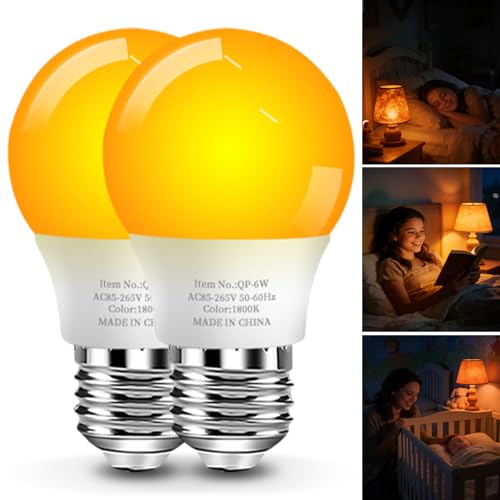
Amber-tinted low-wattage bulbs also serve a vital role in creating relaxing evening environments. Many decorative T28 or G40 shaped bulbs incorporate retro filaments running at just two watts to produce a warm, candle-like glow of roughly two hundred lumens. These low-power bulbs are particularly well-suited for exposed-socket table lamps, nursery nightlights, and decorative wall sconces. Because they generate minimal heat and consume almost negligible power, they can run continuously throughout the night without concern.
Special sleep-oriented bulbs take low-power design a step further by tailoring both wattage and spectral output. A six-watt bulb engineered to deliver seven hundred lumens of deep amber light can provide ample reading illumination while minimizing blue-wavelength exposure before bedtime. These specialized bulbs prove that wattage choice is not merely about raw output, but also about supporting specific human activities throughout the day. Selecting lower wattages for evening routines fosters comfort and relaxation across the household.
Color Temperature and Its Influence on Perceived Wattage
Color temperature is measured in kelvins and directly affects how bright a specific bulb appears to human eyes, even when actual wattage and lumen output remain identical. Bulbs rated between eighteen hundred and twenty-seven hundred kelvins emit a warm, golden, or amber light reminiscent of sunsets and traditional incandescent filaments. In contrast, bulbs rated at five thousand kelvins produce a cool, crisp daylight white with a pronounced bluish tint. This visual variance can make two bulbs of the same wattage feel completely different in practice.
A daylight white bulb operating at nine watts and eight hundred lumens will generally appear visually sharper and more intense than a warm white bulb with identical ratings. The human eye perceives blue-enriched white light with greater contrast, which is why commercial workspaces, garages, and hospital settings favor higher kelvin ratings. However, using high-kelvin daylight bulbs in a relaxing bedroom can feel overly sterile or clinical. Balancing color temperature with your chosen wattage ensures the final lighting environment matches the room purpose.
High color rendering index ratings further refine how natural and vibrant objects appear under artificial illumination. When evaluating bulbs, looking for a color rendering rating of eighty or ninety ensures that furnishings, artwork, and wall paints appear true to life. Combining appropriate wattage, balanced lumens, and suitable color temperatures creates an environment where lighting supports both practical tasks and decorative aesthetics. Taking time to evaluate the color spectrum prevents visual harshness while enhancing home decor.
Maximum Fixture Wattage Ratings and Electrical Safety Boundaries
Every light fixture carries an official electrical rating label specifying the maximum allowable wattage for safe operation. On older fixtures designed for incandescent lighting, this warning often read as a caution not to exceed sixty watts or one hundred watts. This restriction was established primarily to prevent dangerous heat buildup that could melt socket insulation, damage wiring, or ignite shade fabrics. With incandescent technology, operating above the stated limit created severe fire risks.
Because modern LED bulbs draw significantly less power than traditional incandescents, they offer tremendous flexibility within these safety limits. A fixture with a sixty-watt maximum rating can safely accommodate an LED that draws thirteen watts while outputting the visual equivalent of a one-hundred-watt incandescent bulb. The crucial rule is to compare the actual power draw of the LED bulb against the fixture rating, rather than looking at the incandescent equivalency number. Following this guideline ensures safe operation while allowing you to achieve brighter spaces where needed.
Proper fixture maintenance also plays an essential role in keeping sockets running safely and cleanly over time. When performing routine chandelier cleaning and care, inspecting socket interiors for corrosion or debris before screwing in new bulbs helps maintain a secure electrical connection. Never attempt to force an oversized bulb base into an incompatible socket, and ensure that enclosed fixtures are paired with bulbs rated for enclosed spaces. Adhering to manufacturer guidelines safeguards your home while prolonging the life of your lighting hardware.
Dimmer Switch Compatibility and Non-Dimmable Circuit Limitations
Dimmer switches provide wonderful control over household ambiance, allowing users to lower lumen output when full brightness is unnecessary. However, not all LED bulbs are engineered to handle the electrical modulation that dimming switches employ. Many low-wattage and specialty LED bulbs on the market are strictly non-dimmable, meaning their internal driver circuits require a continuous, steady electrical voltage. Installing a non-dimmable LED on a dimmer circuit often causes buzzing noises, rapid flickering, or premature component failure.
If your lighting plan involves wall-mounted dimmer switches, you must explicitly confirm that the bulb packaging states dimmable compatibility. Standard incandescent dimmers often struggle with low-wattage LEDs because the total circuit load falls below the switch minimum threshold. Upgrading older dimmer switches to modern electronic low-voltage or LED-compatible models resolves many flickering issues. Taking the time to verify switch compatibility prevents frustrating performance problems and protects your investment.
In rooms without dimmers, selecting the exact wattage and lumen level for each fixture becomes even more vital. Because the bulb will operate at one fixed brightness level, testing whether an eight-hundred-lumen or fifteen-hundred-lumen bulb suits the space helps avoid glare. For bedside tables and decorative fixtures, choosing non-dimmable bulbs with low initial wattage ensures the light remains pleasantly soft without requiring complex controls. Simple planning prevents unnecessary returns and ensures consistent performance.
Evaluating Bulb Shape, Base Types, and Physical Clearance
Determining a good bulb wattage also requires confirming that the physical bulb dimensions and base configuration match your fixture housing. The standard household screw base across North America is the medium E26 base, which appears on most table lamps, ceiling fixtures, and outdoor sconces. However, smaller accent lamps, decorative chandeliers, and specialized appliances may require candelabra E12 bases or intermediate sizes. Even if a bulb offers your ideal wattage, an incorrect base makes installation impossible.
Bulb shapes vary widely to accommodate different shade depths and optical requirements. Traditional pear-shaped A19 bulbs fit standard lamps, while compact A15 bulbs provide a shorter profile that fits snugly inside tight clip-on shades or low-profile sconces. Small globe-shaped G40 bulbs and slender tubular T28 designs provide striking retro aesthetics when exposed in bare-bulb pendants. Checking the physical clearance inside your shade ensures the bulb will fit properly without touching delicate materials.
Choosing a suitable bulb ultimately involves balancing actual wattage, lumen output, color temperature, and fixture compatibility. By moving past outdated incandescent assumptions, you can curate a lighting setup that delivers clear visibility, relaxing ambiance, and steady energy savings. Taking stock of each room functional needs allows you to pick the ideal wattage with total confidence. With the right combination of low-power accents and brighter task lights, your home will feel properly illuminated throughout every season.




Write Your Review
No reviews yet. Be the first to share your experience!