


Every evening when darkness settles over a house, flipping a single wall switch transforms the entire living environment instantly. For centuries, households relied on flickering open flames, smoky oil lamps, and fragile gas mantles that produced heavy odors alongside obvious fire hazards. Understanding why is the light bulb a good invention begins with realizing how safe, steady electric illumination replaced dangerous combustion inside residential spaces. Clean illumination allowed families to work, study, and relax well past sunset without inhaling soot or risking house fires. Today, modern homeowners often consider details like setup guidelines for a bedside reading lamp to make the most of this dependable artificial light.
Artificial illumination did not simply extend the hours of the day; it fundamentally reshaped how architects design rooms and how people interact inside them. Modern consumer fixtures support tailored brightness and controlled color quality that protect eyesight and create comfortable interior atmospheres. When evaluating why electric lighting remains such a foundational milestone, looking at practical domestic utility reveals the immense leap in safety, convenience, and energy efficiency. Exploring this evolution shows how simple glass globes with glowing filaments paved the way for the sophisticated, low-voltage solid-state systems used in every home today.

How the Light Bulb Reshaped Daily Life and Modern Home Lighting
The light bulb stands out as a monumental breakthrough because it freed human civilization from the strict limitations of natural daylight and open fire. Before its widespread adoption, domestic routines came to a sudden halt at dusk or continued under smoky, inadequate flame sources. Replacing combustible fuels with an electric filament fundamentally changed domestic safety, household productivity, and indoor living standards. Examining its legacy reveals how a simple sealed vacuum bulb evolved into the flexible, energy-conscious lighting systems that illuminate modern homes today.
Eliminating Open Flames and Transforming Domestic Safety
Before electricity reached residential streets, evening illumination depended on beeswax candles, whale oil, kerosene lamps, and open gas jets. These combustible methods presented severe fire risks, especially in homes built primarily with dry timber framing and dressed in heavy fabric drapes. A tipped kerosene reservoir or an unattended wick could ignite an entire room in a matter of seconds. By encasing a glowing filament inside an airtight glass envelope, electric light eliminated open combustion from living rooms, bedrooms, and workshops.
Indoor air quality also improved dramatically once families shifted away from burning hydrocarbons inside their residences. Oil lamps and gas fixtures produced persistent soot, noxious fumes, and carbon monoxide, which coated walls and irritated the lungs of household occupants. Historical homeowners frequently used specialized protective glassware, such as historical candle-based fairy lamp designs, specifically to shield open flames and catch falling embers. Electric bulbs removed these airborne hazards entirely, offering clean, odorless illumination that kept ceilings spotless and indoor breathing air safe.
In addition to preventing structural fires, enclosed electric bulbs significantly lowered burn hazards for curious children and busy homemakers. Kerosene lamps generated extreme surface heat along their glass chimneys, making contact painful and hazardous. While early incandescent bulbs still became warm to the touch, they eliminated exposed liquid fuel that could spill or splash. This critical transition made nighttime nurseries, hallways, and stairwells far safer for every member of the family.
Extending Usable Hours for Domestic Tasks and Learning
Natural daylight governed the rhythm of human labor and education for thousands of years. When sunset arrived, delicate handwork, reading, and detailed writing became physically taxing due to flickering shadows and weak light levels. Electric bulbs provided the first steady, non-wavering light source that allowed individuals to read comfortably for hours without developing severe eye strain. This stability spurred evening literacy, home education, and personal hobbies that previously required bright morning light.
Household productivity shifted as families could cook, sew, and clean safely after finishing standard working shifts. Kitchens in particular benefited from uniform illumination over preparation counters and stoves, which reduced knife injuries and food preparation errors. In workshops and home garages, steady artificial lighting allowed craftspeople to operate sharp hand tools with clear visibility and confidence. Evening hours transformed from unproductive downtime into valuable personal, educational, and creative time.
Social life inside the home also experienced a quiet renaissance under dependable lighting. Families gathered around shared tables to play games, read newspapers, or hold conversations without straining to see faces across a shadowy table. Dining spaces became welcoming evening hubs rather than dim rooms lit by isolated points of flame. The psychological comfort of a brightly lit room dispelled evening gloom and established a feeling of security that modern households still enjoy today.
The Architectural Evolution of Residential Fixtures
The introduction of the electric bulb caused architects and interior builders to reconsider domestic spaces from the ground up. Earlier structures required tall windows, central skylights, and light wells just to channel usable sunlight into interior hallways and deep rooms. With electric wiring running safely behind plaster walls, designers could place rooms anywhere within a floor plan without worrying about daytime darkness. Basements, interior pantries, and windowless hallways suddenly became fully functional domestic spaces.
Light fixture design also blossomed from utilitarian fuel reservoirs into diverse decorative and architectural statements. Homeowners moved away from bulky fuel tanks toward delicate chandeliers, flush-mounted ceiling medallions, and targeted wall sconces. Ornate metalwork, including a regular brass chandelier cleaning and care routine, became standard practice as families highlighted their interior decor with bright electric points of light. Sockets and standardized screw bases permitted interchangeable fixtures that catered to evolving personal aesthetics.
Directional lighting opened up new possibilities for task zones in specialized areas of the home. Instead of illuminating an entire room from one central lantern, residents could install focused desk lamps, under-cabinet strips, and bedside reading lights. This modularity allowed each room to serve multiple distinct functions throughout the day and evening. Spaces became dynamic, enabling comfortable relaxation in one corner while someone completed detailed work in another.
Energy Efficiency Gains from Carbon Filaments to Solid-State LEDs
Early carbon-filament bulbs were remarkable achievements, yet they consumed substantial electrical power and produced considerable waste heat relative to their visible output. Engineers quickly refined these designs by introducing drawn tungsten filaments, inert gas fillings, and coiled-coil geometries that increased efficiency and prolonged operational life. These intermediate improvements made bulbs far cheaper to operate across ordinary middle-class households. Electric lighting steadily shifted from a luxury status symbol into an accessible everyday utility.
The late twentieth and early twenty-first centuries brought even more dramatic shifts through compact fluorescent and solid-state LED technologies. Light emitting diodes bypassed traditional thermal emission altogether by using semiconductors to generate photons directly. This transition reduced electrical draw by massive margins while drastically cutting household thermal loads. Modern homeowners now illuminate entire residences using a fraction of the wattage once demanded by just two or three standard tungsten globes.
Longer operating lifespans accompanied these remarkable efficiency gains across residential consumer lighting. Where historic filaments burned out after several hundred hours of operation, quality solid-state emitters can operate reliably for thousands of hours before needing replacement. This longevity minimizes ladder work, lowers household maintenance costs, and drastically reduces manufacturing waste. The bulb evolved from a delicate consumable into a durable, long-term household fixture component.
Lower electricity consumption also reshaped global residential energy demand. By reducing the power required for basic illumination, modern bulbs lessened the environmental footprint of domestic utility grids. Families can now run accent lights, pathway markers, and security fixtures overnight without incurring exorbitant utility bills. The humble bulb continues to prove its value through continuous ecological and economic refinement.
Precise Control Over Brightness, Lumens, and Glare
Combustible flames offered virtually no practical adjustments for output beyond trimming a smoking cloth wick. If an oil lamp flickered or cast harsh glare, occupants had few options beyond positioning opaque shades or squinting through the shadows. The development of electric illumination introduced measurable, predictable brightness ratings that gave consumers control over their living environments. Today, homeowners select specific lumen ratings designed to suit intimate bedrooms or busy kitchen workstations.
Managing glare became significantly easier as bulb manufacturers developed coated, frosted, and diffused glass envelopes. Clear glass bulbs frequently caused discomfort when placed in direct lines of sight due to intense filament brightness. Frosted coatings and opal glass surfaces spread luminance evenly across a wider surface area, reducing visual fatigue. This diffusion allows families to install ceiling fixtures and open lamps that illuminate spaces gently without overwhelming sensitive eyes.
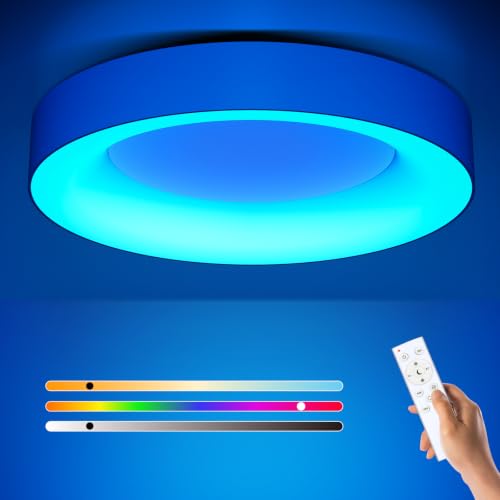
Dimming capabilities further refined domestic comfort by allowing users to adjust light intensity based on specific activities. Smooth electronic dimmers enable bright, energetic illumination during morning meal preparation and soft, ambient levels for evening movie viewing. Adjusting output on demand also saves modest amounts of power and reduces stress on electrical components. This level of precise environmental control was unimaginable during the era of fixed-output gas burners.
Color Temperature and the Human Circadian Environment
Early light bulbs produced a naturally warm, amber glow that closely mimicked the spectrum of candlelight and fading dusk. While comfortable for evening relaxation, this narrow spectral range was not ideal for high-focus tasks requiring crisp visual contrast. Modern lighting engineering introduced correlated color temperature measurements, expressed in kelvins, allowing homeowners to customize the color appearance of their rooms. Warm white spectrums create relaxing retreats, while cool white options promote alertness in home offices and laundry rooms.
Understanding light spectrums has helped homeowners align their indoor environments with natural circadian rhythms. Exposure to cool, blue-enriched light during daytime hours can support focus and daytime wakefulness. Conversely, switching to warm, low-kelvin light sources in the evening encourages the body to produce melatonin and prepare for restorative sleep. The modern light bulb gives residents the power to support natural biological cycles entirely through thoughtful fixture selection.
Color rendering represents another vital dimension where modern electric bulbs outshine primitive lighting sources. High color rendering index bulbs reveal the true, vibrant tones of home furnishings, artwork, and fresh food. Under weak, monochromatic flames, interior colors appeared muddy, dull, and distorted. Modern fixtures allow homeowners to showcase their personal style with vivid accuracy and visual clarity.
Practical Reliability and Low Maintenance in Modern Households
Maintaining historic lighting systems required relentless daily chores that consumed significant domestic labor. Wicks needed constant trimming, glass chimneys required frequent scouring to remove baked-on carbon soot, and fuel reservoirs demanded dangerous liquid refilling. Forgetting to refill an oil reservoir meant sitting in sudden darkness or risking a ruined wick. Electric bulbs transformed lighting maintenance into an occasional, effortless task consisting mainly of threading a new base into a standardized socket.
Standardized socket sizes, such as standard medium screw bases and candelabra fittings, created universal compatibility across fixtures and manufacturers. Homeowners no longer worry about sourcing custom fuel mixtures or proprietary wick assemblies for individual lamps. A replacement bulb purchased at any hardware store fits seamlessly into existing living room floor lamps or overhead ceiling canopies. This mechanical standardization ensures that lighting systems remain accessible, affordable, and simple to service for any homeowner.
Modern consumer lighting also incorporates resilient construction materials that handle physical vibrations and minor power fluctuations with ease. Solid-state emitters do not contain brittle glass vacuums or fragile filament wires that snap from accidental bumps. This mechanical ruggedness makes them ideal for ceiling fans, garage door openers, and exterior floodlights exposed to shifting weather. The light bulb has evolved into a dependable household companion that operates quietly without demanding constant attention or upkeep.
The light bulb remains one of humanity’s most influential inventions because it solved urgent safety challenges while granting complete mastery over indoor spaces. From eliminating hazardous open flames in nineteenth-century parlors to providing intelligent, circadian-aware illumination today, electric lighting continually elevates domestic comfort. Investing in quality bulbs tailored to specific rooms, brightness needs, and color preferences ensures that your living space stays safe, productive, and inviting for years to come.





Write Your Review
No reviews yet. Be the first to share your experience!