


Reliable Illumination When Standard Batteries Run Dry
Nothing drains confidence faster during a sudden blackout than reaching into a dark drawer, flicking a switch, and getting zero beam because internal batteries corroded months ago. Traditional torches aren’t always dependable after long storage periods, leaving homeowners stranded right when severe storms knock down local electrical lines. That common frustration explains why the mechanical hand cranked flashlight principle remains a staple of sensible emergency preparedness. By converting physical motion into electrical current through electromagnetic induction, a manual dynamo powers multi-diode lamps without relying on an active wall outlet or disposable cells. Squeezing a lever or rotating an integrated armature creates kinetic energy, channeling current directly into small LED emitters or internal storage capacitors for instant, repeatable brightness.
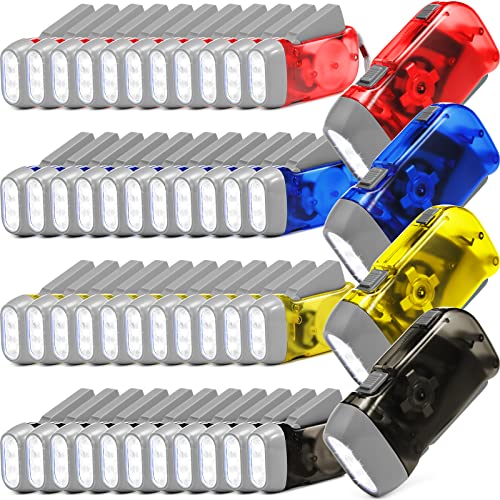
Unlike high-drain tactical torches that burn through battery capacity in minutes, manual crank lights prioritize dependable near-field illumination and continuous availability. Stashing compact backup units in a glove compartment or pairing manual gear alongside protective foam padded LED lights creates a resilient safety kit for unexpected blackouts. Compact options like the Leelosp squeeze-handle torch, the Evelots twin-LED light, and the Guyuyii hand-crank model provide straightforward switches, lightweight frames, and prompt beam output. Understanding the mechanical relationship between physical crank effort, lumen intensity, and runtime ensures you select practical emergency lighting that won’t leave you in the dark.


Frequently Asked Questions
How does the hand cranked flashlight principle actually generate light?
Electromagnetic induction converts kinetic hand movement into electrical current. Spinning the fold-out handle or pressing the squeeze lever turns an internal micro-generator, moving magnets across copper wire coils. That motion induces an electric current that feeds directly into low-draw LED emitters or miniature storage cells without needing external power.
How bright is a typical hand crank flashlight in 2026?
Most manual crank flashlights deliver between 10 and 20 lumens of broad flood output. The Guyuyii flashlight, for example, generates a stated 20-lumen beam suited for finding gear, checking circuit breakers, or navigating dark hallways. While not intended for long-range search duties, this output keeps physical cranking effort low and manageable.
Do hand crank flashlights require replacement batteries?
No, hand crank flashlights eliminate the need for disposable battery replacements. Units like the Leelosp 3-LED squeeze torch operate with an internal power generation device that produces electricity on demand through manual pumping. Other designs, such as the Evelots multi-pack, utilize built-in rechargeable cells charged strictly by the dynamo mechanism.
How long does the beam stay lit after winding the handle?
A steady one- to two-minute cranking session typically provides between five and fifteen minutes of usable light. Energy draw remains low because multi-LED arrays consume very few milliwatts. When the beam starts to fade, giving the handle a quick thirty-second wind quickly restores full illumination.
Can a hand crank flashlight replace a dedicated camping headlamp or work light?
No, hand crank lights serve primarily as dependable emergency backups rather than primary work lights. They excel during unexpected power failures or roadside trouble when batteries are unavailable. For hands-free camp tasks, pairing manual crank lights with specialized gear like portable selfie lighting or standard work lamps gives you both hands-free convenience and emergency backup security.
What is the difference between squeeze-handle and rotary crank flashlights?
Squeeze-handle models utilize a spring-loaded palm lever, while rotary lights use a circular fold-out crank. Squeeze flashlights allow convenient one-handed operation simply by gripping and pulsing the handle. Rotary cranks require two hands to operate but provide continuous dynamo rotation, which delivers smoother power generation with less hand fatigue over extended charging sessions.




Write Your Review
No reviews yet. Be the first to share your experience!