

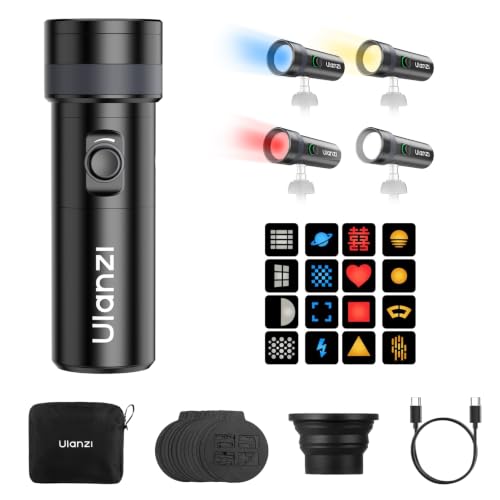
Projecting a sharp image against a wall or tent fabric requires far more than raw brightness. An unfocused beam washes out contrast quickly, leaving you with blurry silhouettes instead of crisp details. Handheld projectors and specialty projection flashlights rely on specialized optical lenses, targeted lumen outputs, and reliable thermal regulation to keep images legible. Reviewing key flashlight video projector requirements helps buyers balance compact form factors against practical projection distance. Whether you need an imaginative bedtime projector or a pocket movie unit for outdoor trips, hardware details dictate your visual clarity.
Battery runtime also plays a vital role when you lack direct wall outlets during an evening outdoors. Portable units depend on integrated rechargeable batteries or standard cells, making power efficiency just as important as optical focus. Careful evaluation of manufacturer specifications and user feedback reveals that steady thermal dissipation prevents early output drop-offs. If you carry sensitive optical gear alongside other equipment, choosing protective padding for portable LED fixtures can prevent lens scuffs and internal damage. Understanding your power supply needs ensures you avoid dim displays midway through a presentation or family movie night.
Top Products



Frequently Asked Questions
How much brightness is necessary to meet standard flashlight video projector requirements?
At least 30 to 150 ANSI lumens or an equivalent high-efficiency LED source is typically required for dark-room projection. Lower ratings can project simple animal shapes or gobos in total darkness, but detailed video streams require stronger beam intensity. Balancing stated lumens with throw distance helps prevent washed-out colors on wide surfaces.
What display resolution should buyers expect from compact projection lights?
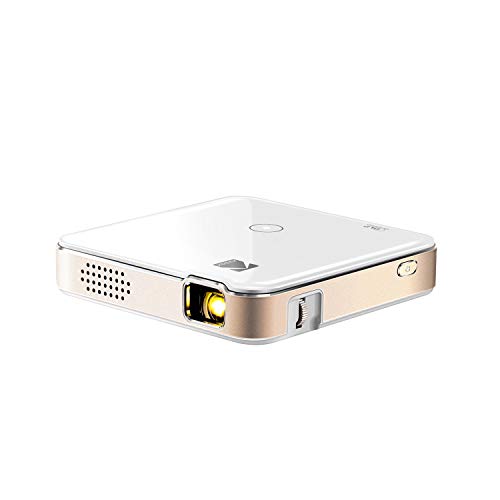
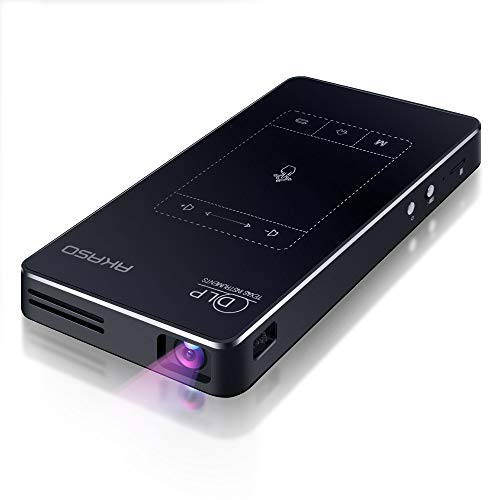
Most pocket-sized units deliver native output between 480p and 720p while accepting 1080p input signals. Miniature optical engines prioritize power conservation and compact dimensions over ultra-high native pixel grids. This resolution range remains clear for casual outdoor movies and wall projections under 100 inches.
Can battery-powered projector flashlights run while plugged into a charger?
Yes, many modern rechargeable models feature pass-through power capability via USB-C or DC adapters. This allows uninterrupted operation when connected to a portable power bank during camping trips. Always check manufacturer specifications to ensure charging current matches peak operating draw.
How does focal adjustment affect image clarity at different distances?
Manual focal dials or laser scanning systems align optical lenses to keep projected edges sharp across shifting distances. Without proper focus adjustments, beam spread scatters light unevenly across the viewing surface. Users working in dimly lit spaces often pair these with focused reading lights to avoid shining ambient glare onto the screen.
Do compact projection lights step down brightness during extended use?
Yes, compact housings use internal thermal safeguards that reduce light output if heat accumulates. Small chassis sizes restrict airflow, meaning continuous high-output operation prompts automatic throttling to protect internal LEDs and battery cells. Adequate ventilation helps sustain maximum beam clarity throughout a full runtime cycle.
Which connection ports are essential for 2026 flashlight video projector requirements?
USB-C DisplayPort, HDMI, and wireless screen mirroring represent the most versatile connection options available today. Direct cable connections minimize transmission lag, while wireless protocols simplify sharing media directly from smartphones or tablets. Selecting models with versatile inputs guarantees compatibility across multiple playback devices.




Write Your Review
No reviews yet. Be the first to share your experience!