


Accumulated dust, marker residue, and surface grime can dull the luminous glow of illuminated displays and electronic assemblies. Learning how to clean led board equipment correctly ensures optimal light transmission while preventing permanent surface scratches or moisture damage to sensitive internal electronics. Many illuminated panels utilize clear acrylic sheets that easily scratch when scrubbed with abrasive paper towels or harsh household solvents. Following our comprehensive advice on cleaning and caring for LED fixtures helps preserve optical clarity across all types of illuminated surfaces. Taking a cautious, material-conscious approach keeps both decorative message boards and circuit hardware operating reliably over long service intervals.
Different types of illuminated panels require distinct cleaning techniques depending on whether you are restoring a decorative acrylic doodle pad or servicing a bare electronic circuit board. Dry erase markers, liquid chalk pens, and fingerprint oils demand gentle wiping with microfiber cloths rather than soaking the housing in liquid cleaners. On electronic circuit boards, stray debris and conductive contaminants must be removed without corroding solder joints or stripping protective coatings. Understanding the precise requirements for your specific device saves time and avoids costly electrical shorts. This practical guide walks through safe cleaning procedures, recommended tools, and preventative maintenance strategies for every common LED board design.





Complete Guide to Cleaning Acrylic and Electronic LED Boards
Cleaning an LED board requires tailoring your method to the specific surface material and internal electrical construction. Acrylic message boards demand non-abrasive techniques to prevent unsightly surface fogging and micro-scratches. Electronic circuit boards require moisture-controlled solvent cleaning using high-purity isopropyl alcohol to protect delicate surface-mount diodes and solder joints. Power must always be completely disconnected before introducing any liquid cleaner to the device. Following a structured procedure preserves both optical brightness and component longevity.
Identifying Your LED Board Type and Cleaning Needs
Illuminated boards generally fall into two distinct structural categories that require completely different cleaning approaches. Decorative acrylic LED boards feature an edge-lit clear or black plastic panel designed for drawing with liquid chalk or dry erase markers. These consumer panels rely on pristine surface smoothness to bounce light evenly across written messages and illuminated graphics. Electronic LED circuit boards, by contrast, consist of bare fiberglass printed circuit boards populated with light-emitting diodes, resistors, and electrical traces. Treating an electronic circuit board like a plastic display or vice versa often leads to ruined electronics or scratched visual panels.
Determining the exact materials of your board informs your choice of cleaning solutions and applicator tools. Acrylic plastic is chemically sensitive to common household glass cleaners, which can cause micro-fissuring known as crazing. Electronic components are equally vulnerable to water and conductive residues that cause short circuits once power is restored. Inspecting your device to identify whether the LEDs are embedded in a sealed edge or exposed across a bare circuit board dictates your initial preparation steps. Taking a moment to assess the build construction ensures you use safe methods that protect the unit from accidental damage.
Essential Cleaning Supplies and Materials to Avoid
Gathering the right cleaning materials prevents accidental physical abrasion and chemical destruction during maintenance. Premium microfiber cloths with plush, edgeless weaves are essential for wiping optical acrylic without creating swirling surface scratches. High-purity isopropyl alcohol with a concentration of ninety percent or higher is ideal for dissolving oil, flux, and grime on electronic components without leaving conductive water behind. Soft-bristled antistatic brushes and precision foam swabs allow you to clear dust from tight crevices around buttons, frame bezels, and soldered diode leads. A clean spray bottle filled with distilled water provides safe, mineral-free surface dampening for standard plastic panels.
Certain common cleaning supplies must be strictly avoided when servicing any type of illuminated board. Standard paper towels, facial tissues, and kitchen sponges contain coarse wood fibers that quickly abrade soft acrylic panels. Household window cleaners containing ammonia, vinegar, or acetone dissolve optical plastics and leave permanent cloudy hazes across the viewing area. Compressed air cans must also be used with caution, as tilting the can can spray freezing liquid propellants directly onto warm components, causing thermal shock. Avoiding these aggressive chemicals and coarse materials ensures your cleaning session improves clarity rather than ruining it.
How to Clean Acrylic LED Drawing and Message Boards
Acrylic illuminated drawing boards look striking when vibrant markers glow against the surface, but marker buildup quickly diminishes their visual impact. Begin the cleaning process by powering off the display and unplugging the USB cable or removing the internal batteries. Removing power prevents electrical hazards and allows you to view surface smudges clearly against a dark, unlit background. Place the board flat on a clean microfiber towel to prevent scratching the back side of the clear panel while you work on the front face. This stable foundation allows you to apply light, even wiping pressure across the entire surface.
Initial cleaning should always begin with a dry dust wipe to lift loose particles before applying any liquid. Drag a clean, dry microfiber cloth gently across the acrylic surface using straight, overlapping strokes rather than circular motions. If dry wiping leaves marker shadows, lightly mist distilled water onto your microfiber cloth rather than spraying the board directly. Wiping with a dampened cloth prevents excess liquid from running down into the frame bezels where the edge-mounted LED strips and controller boards reside. Once the marks dissolve, buff the panel gently using a dry section of microfiber cloth to eliminate streaks.
Removing Stubborn Ghosting and Marker Stains
Liquid chalk and wet erase markers left on an acrylic board for extended periods can produce stubborn ghosting that resists plain water. This lingering discoloration occurs when ink pigments penetrate micro-crevices in the acrylic or bond chemically with residual manufacturing residues. Resolving this issue requires a mild surfactant solution made by mixing a single drop of gentle dish soap into a cup of warm distilled water. Moisten a corner of your plush cloth with this solution and gently work the affected area in small, controlled passes. The mild surfactant breaks down stubborn ink binders without etching the smooth acrylic surface.
For particularly resilient marker ghosting, a diluted mixture of seventy percent isopropyl alcohol and distilled water can be applied sparingly with a soft cotton pad. Always spot test this solvent on an inconspicuous corner near the outer border before treating the central display area. After the pigment lifts, wipe the area immediately with a clean cloth dampened with plain distilled water to remove all chemical traces. Finish by buffing the surface completely dry with an ultra-soft microfiber towel to restore uniform light refraction across the panel. Maintaining uniform surface smoothness ensures edge-lit illumination diffuses evenly across all your future drawings.
Cleaning Electronic LED Circuit Boards and PCBs Safely
Electronic circuit boards containing surface-mount LEDs require specialized cleaning to eliminate accumulated dust, grease, and soldering flux. Before touching any internal circuitry, disconnect all power sources and ground yourself to discharge any static electricity. Static charges can easily destroy delicate integrated driver chips and miniature light-emitting diodes without producing a visible spark. Use a clean, antistatic horsehair or nylon brush to gently dislodge loose dust bunnies, pet hair, and airborne lint from between component leads. Holding a low-suction electronics vacuum several inches away helps capture airborne particles without risking direct physical contact with fragile pins.
When sticky residues or flux buildup coat the board, high-purity isopropyl alcohol serves as the standard safe cleaning solvent. Wet a lint-free foam swab or soft antistatic brush with ninety-nine percent isopropyl alcohol and gently scrub the contaminated circuit areas. The high alcohol concentration ensures rapid evaporation while minimizing the risk of moisture-induced oxidation on metal traces. Take extra care around surface-mount LEDs, as aggressive scrubbing can dislodge soft silicone encapsulation domes or fracture miniature wire bonds inside the diode package. Allow the board to air-dry completely in a warm, well-ventilated area for at least thirty minutes before reapplying electrical power.
Protecting LED Boards with Conformal Coatings and Sealants
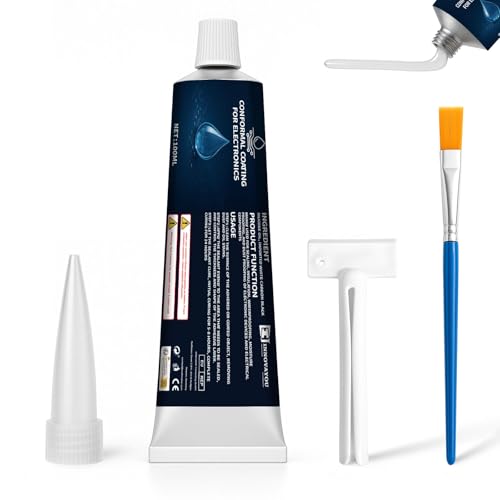
Circuit boards operating in demanding environments often benefit from a protective layer known as conformal coating. Clear silicone or acrylic conformal coatings seal the bare board against moisture, airborne dust, corrosive fumes, and accidental liquid spills. Applying these coatings requires a completely clean, grease-free surface to ensure reliable chemical adhesion across all traces and solder pads. After thoroughly cleaning the board with high-purity alcohol and allowing it to dry, inspect the PCB under bright light for any lingering lint or fingerprints. Any contamination trapped beneath a newly applied protective sealant can cause localized corrosion over time.
Applying conformal coatings requires careful masking of optical components and electrical contact points. Liquid coatings must never be applied directly over the light-emitting surfaces of LED diodes or electrical connectors, as the coating can distort light output and prevent proper electrical contact. Use precision masking tape or peelable solder mask to shield all diode lenses, socket receptacles, and heat dissipation pads prior to brushing or spraying. Once the protective coating cures according to manufacturer directions, it forms a durable, moisture-resistant barrier that simplifies future surface cleaning. Cleaned and properly coated electronic boards withstand humid indoor environments with significantly reduced risk of circuit failure.
Cleaning Automotive and Flexible LED Display Boards
Dynamic LED displays installed in vehicle windshields or mounted on flexible backings present unique cleaning challenges. These units often feature flexible printed circuits encased in soft silicone or polyurethane sleeves that attract interior glass grime and plasticizer film. Disconnect the display from its USB adapter or auxiliary power harness before initiating any maintenance work on the vehicle interior. Wipe the outer flexible silicone envelope gently using a damp microfiber cloth moistened with warm water and mild soap. Avoid bending or twisting the flexible panel sharply during cleaning, as excessive mechanical flexing can fracture internal copper traces.
Automotive glass cleaners must never be sprayed directly toward installed LED window displays or flexible adhesive pads. The volatile organic compounds and ammonia in vehicle glass cleaners degrade flexible transparent adhesives and cloud clear silicone lenses. If you need to clean the surrounding windshield glass, remove the LED display completely and clean the glass separately before reinstalling the unit. Allow the glass to dry fully so that trapped cleaner fumes do not chemically attack the LED backing materials. Taking these precautions protects dynamic flexible screens and maintains crisp, synchronized visual performance.
Common Cleaning Mistakes That Ruin LED Boards
Many illuminated boards suffer irreversible damage due to well-intentioned but improper cleaning practices. The most frequent mistake is spraying liquid cleaners directly onto the face of the board while it remains assembled inside its housing. Liquid naturally flows toward the edges through capillary action, seeping into the perimeter frame where controller circuits and LED driver chips sit. This unintended moisture ingress leads to corroded traces, intermittent flickering, and dead diode clusters once electrical current runs through the wet board. Always apply cleaning liquids directly to your cloth in controlled, minimal amounts rather than saturating the panel surface.
Another widespread error is utilizing abrasive scrubbing pads, kitchen degreasers, or acetone-based solvents to tackle tough stains. Acetone instantly melts optical acrylic, transforming a crystal-clear display into a permanently milky, ruined sheet of plastic. Excessive wiping pressure is equally damaging, as trapped dust grains act like fine sandpaper when pressed firmly against soft plastic faces. Users also make the mistake of reconnecting power before solvents have fully evaporated, creating immediate short circuits across sensitive electronic traces. Exercising patience and applying minimal physical force ensures your board remains pristine and fully functional.
Preventative Maintenance and Routine Care Strategies
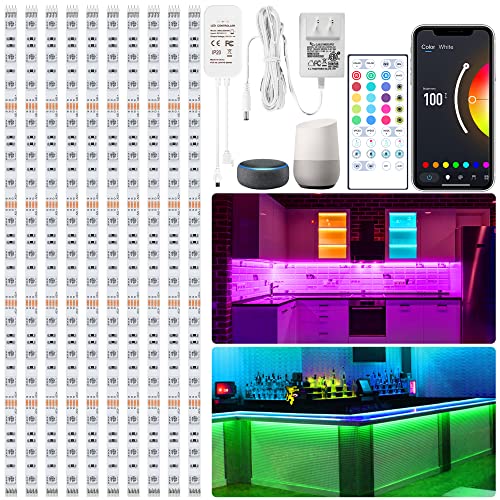
Establishing a regular, gentle maintenance routine prevents deep staining and extends the operational lifespan of illuminated boards. Erasing messages on acrylic boards within a few days of writing prevents pigments from curing and baking into the surface under continuous LED heat. Storing decorative boards under a soft cloth cover when not in use shields the optical face from settling airborne dust and accidental scratches. For workspace and hobbyist setups, pairing your illuminated display with affordable room lighting fixtures provides adequate ambient illumination so you can inspect surfaces clearly during routine maintenance. Good ambient lighting makes smudges and loose dust immediately visible before they turn into stubborn grime.
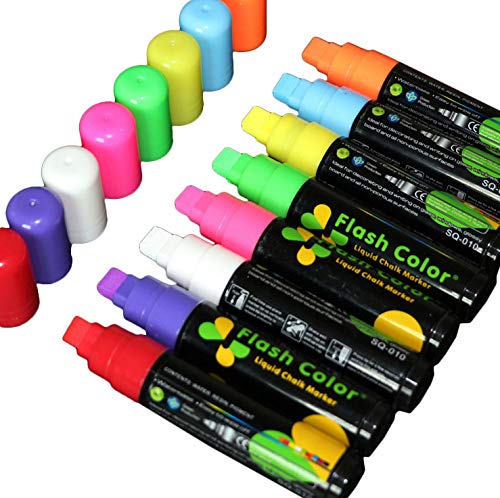
Selecting high-quality wet erase markers specifically formulated for illuminated acrylic boards also simplifies long-term maintenance. Cheaper marker formulations often contain aggressive dye pigments that stain plastic or leave oily residues that require harsh solvents to dislodge. Keeping dedicated microfiber cloths stored alongside your board prevents cross-contamination with cloths used for general household cleaning. Regularly inspecting cables, power ports, and frame seams ensures your hardware stays clean, well-aligned, and ready for vibrant everyday use. A disciplined care routine keeps your illuminated board looking bright, clear, and professional through years of continuous operation.
Maintaining an LED board requires nothing more than the correct supplies, gentle handling, and basic electrical safety precautions. By separating the optical cleaning requirements of acrylic panels from the solvent-safe procedures needed for electronic circuit boards, you protect both visual clarity and circuit integrity. Simple habits like disconnecting power, avoiding abrasive chemicals, and using plush microfiber cloths prevent nearly all common board failures. Whether you are maintaining a creative desktop note board or servicing sensitive circuit components, a careful approach ensures reliable performance and vivid illumination.




Write Your Review
No reviews yet. Be the first to share your experience!