


Working in dim environments often exposes the frustrating limitations of outdated portable lighting fixtures. Anyone tackling nighttime home maintenance, vehicle repairs, or outdoor trail walks quickly learns that heavy, dim, battery-draining lamps cause severe eye strain and awkward neck fatigue. When your trusty wearable beam stops providing sufficient clarity or burns through disposable cells too quickly, you might naturally wonder, how can i update headlamp gear to match modern lighting demands? Upgrading to current solid-state illumination means moving beyond weak incandescent bulbs and bulky alkaline battery compartments.
Today’s portable task lighting prioritizes rechargeable lithium power systems, optical beam adjustability, and intuitive contact-free switches. Whether you need to solve mechanical issues under a dark sink or illuminate an entire campsite walkway, modern fixtures deliver broad flood coverage and targeted spot beams in ultra-compact designs. Understanding how modern drivers prevent optical flicker while navigating headlamp control locks makes transitioning to modern wearable gear simple and effective. Exploring updated features allows you to pick the exact lumen output, weight distribution, and runtime balance suited to your everyday hands-free tasks.


Upgrading Portable Headlamp Systems for Modern Illumination
Updating a wearable lighting system involves far more than simply replacing a burned-out bulb or inserting fresh disposable batteries. Modern solid-state illumination technology has transformed head-mounted lamps from clunky, dim emergency gadgets into sophisticated multi-beam task lights. Today, homeowners, mechanics, campers, and craft enthusiasts can upgrade their illumination setups with rechargeable power cells, smart gesture sensors, and specialized optical lenses. Understanding how these features interact ensures that your next hands-free lighting upgrade delivers optimal beam distribution, lasting comfort, and dependable runtime.
Transitioning from Disposable Alkaline Batteries to Rechargeable Lithium Power
Traditional portable headlamps relied heavily on triple-A or double-A alkaline batteries that suffered from rapid voltage drops during continuous operation. As alkaline cells discharge, their internal resistance increases, which causes the output beam to dim gradually long before the battery fully depletes. Alkaline batteries also carry an annoying risk of corrosive chemical leakage when stored in vehicle consoles or workshop drawers through shifting seasonal temperatures. Transitioning your gear to modern rechargeable lithium-ion power sources eliminates these persistent performance headaches entirely.
Integrated lithium batteries paired with universal USB charging circuits deliver steady regulated voltage directly to the LED driver. This regulated power architecture allows the lamp to sustain consistent lumen output across the majority of its discharge cycle rather than steadily fading away. Rechargeable cells also lower recurring ownership expenses while reducing the volume of toxic heavy-metal waste destined for municipal landfills. When you update to units like the rechargeable packs from Northlet or Chasinglee, you can easily top off the internal battery using wall adapters, vehicle ports, or portable power banks.
Maintaining modern rechargeable lithium batteries requires only a few basic storage habits to ensure years of dependable service. Avoid storing rechargeable headlamps in completely discharged states, as prolonged deep discharge can trigger safety protection circuits that permanently impair capacity. Topping up the battery pack every three to four months during inactive periods keeps the lithium chemistry stable and ready for unexpected household power failures. USB-powered fixtures also eliminate the tedious chore of hunting down spare disposable cells in total darkness when urgent repairs arise.
Evaluating Diode Technology from Standard LEDs to COB Flood Strips
Older headlamp designs commonly utilized rudimentary 5-millimeter rounded plastic diodes that generated narrow, bluish tunnel beams with harsh peripheral shadows. These primitive optical configurations forced users to constantly move their heads back and forth just to scan a cramped electrical panel or workbench. Modern illumination upgrades utilize high-density surface-mount diodes (SMD) and continuous chip-on-board (COB) strips to produce expansive, uniform light spreads. These contemporary light engines spread balanced illumination across your entire natural field of peripheral vision.
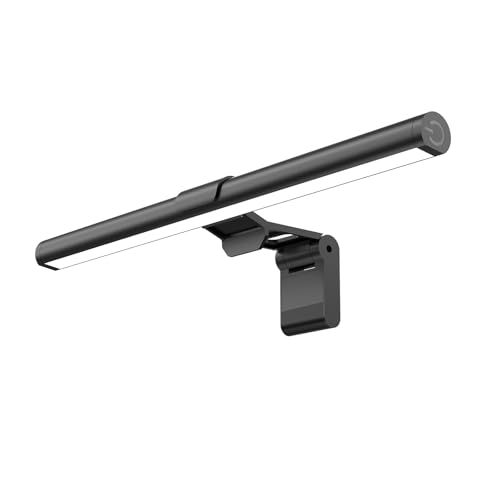
Expansive flood beams dramatically reduce the eye strain associated with intense central hotspots bouncing off reflective white walls or metallic tools. In close-quarters workspaces, having smooth optical distribution prevents painful visual fatigue and eliminates tunnel-vision disorientation. When executing detailed hobby projects, pairing hands-free illumination alongside dedicated task lamps for detailed work creates layered lighting that eliminates deceptive shadows. Modern multi-mode heads allow users to easily switch between tight spotlight beams for distance navigation and wide flood patterns for close inspection.
Evaluating manufacturer lumen ratings requires a realistic understanding of compact thermal management and optical driver dynamics. Extreme marketing claims advertising tens of thousands of lumens on compact head units often describe theoretical instantaneous diode limits rather than sustained working outputs. Compact wearable fixtures naturally step down excessive power levels after brief bursts to prevent housing overheating and optical driver damage. Selecting a balanced model with reliable sustained illumination between 300 and 1,000 functional lumens provides plenty of practical clarity for camping, mechanics, and household tasks.
Integrating Motion Sensors and Contact-Free Control Interfaces
Fumbling for tiny rubberized power buttons while wearing thick winter gloves or holding greasy automotive tools presents an ongoing annoyance with classic headlamps. Modern upgrades frequently integrate infrared proximity sensors directly into the front fascia of the optical casing. This contact-free interface allows users to switch the primary beam on and off simply by waving a hand within a few inches of the lens. Brands like Curtsod and Northlet include this dedicated gesture mode alongside conventional push-button switching to streamline operation in messy working conditions.
Gesture-sensing technology fundamentally improves workflow efficiency when your hands are covered in paint, plumbing sealant, or engine grime. By removing the need to physically touch the headlamp body during messy jobs, you keep the lens optics crystal clear and protect the headband from oil stains. Most advanced models feature an independent sensor button that activates the infrared system, letting you bypass the feature when working in extremely confined quarters. This dual-control layout gives users complete tactile freedom depending on the exact physical demands of the project.
Optimizing sensor usage in tight spaces requires understanding how infrared beams reflect off nearby physical obstacles. Working deep inside hollow wall cavities, crawl spaces, or crowded machinery bays can occasionally trigger the sensor inadvertently if structural framing passes close to your forehead. When working in such restricted environments, simply switching off the motion sensor and relying on the physical click button prevents unintended beam interruptions. Having access to both control modalities ensures reliable lighting across both open outdoor settings and cramped structural enclosures.
Harnessing Multi-Spectrum Output and Preserving Night Vision with Red Modes
High-output white light provides outstanding visibility for detailed tasks, but it instantly destroys the human eye’s natural dark adaptation. Human retinas rely on a sensitive protein called rhodopsin to detect shapes in dim moonlight, which degrades rapidly upon exposure to bright white photons. Upgrading to a multi-spectrum headlamp with dedicated secondary red LEDs allows you to navigate outdoor surroundings while safeguarding your night-adjusted vision. Red light wavelengths operate at lower optical frequencies that do not bleach retinal pigments or cause pupils to constrict sharply.
Red illumination also prevents blinding companions, family members, or fellow campers during nighttime activities. Reading a trail map, tending a campfire, or slipping out of a tent at night using gentle red beams keeps your immediate campsite calm and respectful. Insects are also significantly less attracted to red wavelengths compared to cool-white optical beams, keeping annoying gnats and mosquitoes away from your face on warm summer evenings. Many multi-mode setups also include flashing red strobe sequences that serve as vital visual distress signals during roadside automotive breakdowns.
Switching between multi-spectrum outputs in modern units generally involves either a dedicated secondary button or an intuitive stepped switching sequence. High-quality designs allow you to activate the red auxiliary mode directly without first cycling through a blinding maximum-white beam. This direct-access capability prevents accidental night-blindness when all you need is a subtle glow to check a breaker box or grab a tool. Taking advantage of these secondary color channels transforms your headlamp into a versatile utility tool tailored for diverse low-light scenarios.
Optical Tilting, Angle Adjustment, and Glare Elimination
Fixed-angle headlamps force users to bend their necks at awkward, uncomfortable angles to direct light downward toward their hands or walking paths. Prolonged neck flexion quickly leads to painful cervical fatigue, muscle tension, and preventable posture strain during long evening projects. Modern upgraded fixtures feature integrated ratcheting hinge mechanisms that allow the optical pod to pivot downward up to 90 degrees. This generous articulation range directs the central beam exactly where your eyes focus without requiring constant head dipping.
Proper downward beam angling also eliminates unshielded glare that can blind conversational partners standing directly across from you. Much like positioning residential desk task lighting options to shield bare bulbs from direct sightlines, tilting a headlamp downward keeps intense diode emission out of surrounding eyes. Sturdy internal ratchet teeth ensure that the optical housing maintains its set angle securely, even when you jog down uneven trails or step across rough yard terrain. A dependable hinge mechanism prevents frustrating lens drooping while you walk, run, or climb ladders.
Inspecting the friction tension of the tilting bracket before starting intense physical tasks helps prevent accidental position shifts. Premium composite brackets resist the mechanical wear that can loosen hinge resistance over repeated adjustment cycles. When working underneath vehicle dashboards or plumbing fixtures, pivoting the lamp to its lowest detent allows you to illuminate recessed hardware while lying flat on your back. This mechanical flexibility makes modern articulating headlamps far superior to handheld flashlights that require awkward balancing or mouth-holding tricks.
Weatherproofing, Ingress Protection, and Housing Durability
Outdoor exploration and tough domestic repair jobs routinely subject portable lighting tools to moisture, dust, sawdust, and accidental drops. Outdated plastic flashlights often possessed unsealed battery doors and gaps around buttons that invited water intrusion during sudden downpours. Modern upgraded headlamps feature rugged thermoplastic housings equipped with tightly fitted silicone sealing gaskets. Many contemporary models carry verified water-resistant ingress ratings, protecting delicate internal diode drivers from splashing rain, heavy sweat, and atmospheric humidity.
Protecting the electrical charging interface remains an essential consideration when working in damp outdoor or dusty workshop environments. Quality rechargeable fixtures incorporate flexible rubber or silicone port bungs that seal snugly into micro-USB or USB-C charging receptacles. Ensuring that this protective port cover is firmly seated before heading out into rainstorms shields delicate contact pins from electrochemical corrosion and electrical short circuits. Durable polycarbonate lens covers also resist scratching and cracking when accidentally dropped onto gravel driveways or concrete garage floors.
Thermal regulation also plays a pivotal role in maintaining the structural integrity and operational longevity of modern solid-state light housings. High-efficiency LED arrays generate concentrated heat behind the diode substrate that must be effectively conducted away from internal components. Thoughtfully engineered head units integrate subtle aluminum heat-sinks or finned rear plates that dissipate thermal energy safely into surrounding air currents. Effective heat management protects delicate internal lithium cells from thermal stress, preserving battery capacity across hundreds of charge cycles.
Headband Ergonomics, Weight Distribution, and Multi-User Adjustability
Even the brightest optical emitter becomes useless if the head strap feels scratchy, slips down your forehead, or causes throbbing pressure headaches. Early generations of high-powered headlamps featured heavy external battery packs strapped awkwardly to the back of the cranium with cumbersome overhead straps. Today’s ultra-light compact designs integrate efficient lithium cells directly inside the front casing, keeping total weight down to just a few ounces. This featherweight construction eliminates annoying helmet bounce during high-cadence jogging or intense physical labor.
Elastic headband webbing on modern models utilizes breathable, moisture-wicking synthetic fabrics that remain comfortable during extended wear. Dual adjustment buckles allow users to tailor the band diameter seamlessly to fit bare heads, thick winter beanies, or hard hats. Packaged options like the Chasinglee rechargeable sets accommodate both adults and growing kids, making them fantastic choices for family camping trips or DIY home projects. Soft woven textures prevent skin irritation, while sweat-resistant properties keep the band from absorbing grime and stretching out prematurely.
Maintaining elastic headbands in sanitary condition requires occasional gentle washing to remove dried perspiration and environmental dust. Most modern brackets allow the elastic fabric strap to detach quickly from the plastic housing without requiring tools or complicated unthreading. Hand-washing the fabric strap in lukewarm water with mild soap preserves elastic tensile strength and prevents premature fabric sagging. Reattaching the clean strap restores a snug, non-slip grip that stays locked in place through vigorous physical movement and demanding maintenance routines.
Multi-Pack Deployment Strategies for Home, Vehicle, and Emergency Preparedness
Investing in multi-unit lighting packages offers remarkable utility for households seeking organized emergency preparedness and versatile everyday access. Rather than keeping a single solitary light tucked away in a distant basement closet, multi-packs allow you to place ready-to-use fixtures across critical zones. Placing one headlamp in your primary vehicle glovebox ensures immediate, hands-free lighting when changing a flat tire along dark roadside shoulders. Stashing additional units in workshop tool chests, kitchen pantry drawers, and storm safety kits guarantees quick access whenever darkness strikes.
Bundled products from manufacturers like Northlet and Curtsod provide cost-effective options to equip entire family groups or work crews at once. During severe weather power outages, handing every household member their own wearable light restores immediate safety and calm navigation throughout darkened rooms. Wearable lights keep hands completely free to carry emergency supplies, soothe children, or manage household pets safely. Standardized charging cables across bundled sets also eliminate the confusion of matching mismatched cords to different proprietary devices during chaotic situations.
Establishing a scheduled routine for battery maintenance ensures that stored emergency lights remain operational when severe storms knock out municipal power grids. Mark your calendar to pull vehicle and emergency kit headlamps every change of season for a brief top-off charging session. Checking the motion sensor switches and verifying clean optical lenses during these quick checkups guarantees flawless performance when seconds count. Proper storage rotation ensures that every emergency light in your home stands ready to deliver reliable, flicker-free illumination at a moment’s notice.
Selecting Modern Upgrades Based on Your Primary Lighting Demands
Selecting the ideal modern headlamp upgrade depends largely on the specific environmental and ergonomic demands of your daily tasks. Mechanics and home repair hobbyists benefit immensely from wide COB flood beams and intuitive hands-free motion sensors that keep lenses spotless. Trail runners and nighttime hikers require secure, lightweight bands that resist bouncing alongside versatile spotlight modes capable of illuminating distant obstacles. Meanwhile, campers and casual outdoor enthusiasts gain tremendous utility from dedicated red night-vision modes and extended low-power runtime profiles.
Upgrading your wearable lighting tools removes the frustrating constraints of dim beams, heavy battery cages, and unreliable mechanical switches. Modern rechargeable headlamp systems provide brilliant multi-mode output, intuitive contact-free gestures, and ergonomic comfort across diverse work and recreational activities. Taking the time to evaluate beam patterns, battery capacity, water resistance, and articulation angles ensures you select gear that effortlessly meets your illumination needs. With dependable solid-state technology strapped comfortably to your brow, tackling nighttime challenges and detailed repairs becomes safer, faster, and far more rewarding.




Write Your Review
No reviews yet. Be the first to share your experience!