


Matching Fixture Sockets and Chandelier Illumination
Unscrewing a dead bulb only to discover that your replacement won’t fit into the candelabra socket ruins your evening in the blink of an eye. Multi-arm ceiling fixtures demand visual balance, so mismatched shapes or clashing color temperatures will stick out like a sore thumb. Checking whether your fixture needs a small E12 screw thread or a medium E26 base helps you select the best light bulb for chandelier fixtures without hassle. After carefully analyzing the supplied product specifications, verifying socket width remains essential before you buy. You can also explore how bulb filaments work to appreciate vintage aesthetic appeal.
Dimmer switch compatibility also makes or breaks your dining atmosphere. Non-dimmable bulbs on a dimming circuit create harsh buzzing, while the wrong color temperature can turn a cozy dining room sterile. You might prefer a warm light bulb for cozy fixtures at 2700K for relaxed dinners, or select 5000K daylight for crisp brightness. Based on listed bulb shapes and light-output ratings, balancing wattage with lumens ensures comfortable everyday illumination.


Frequently Asked Questions
What is the difference between E12 and E26 chandelier bulbs?
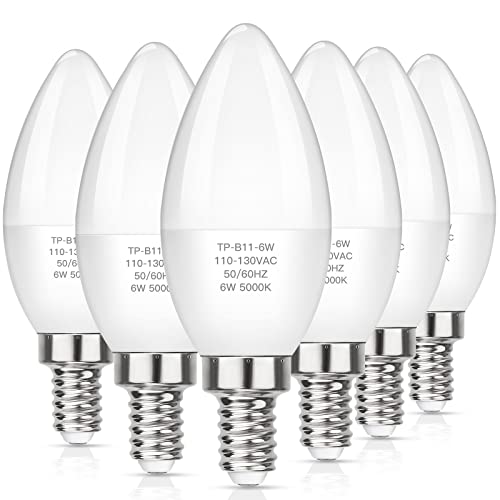
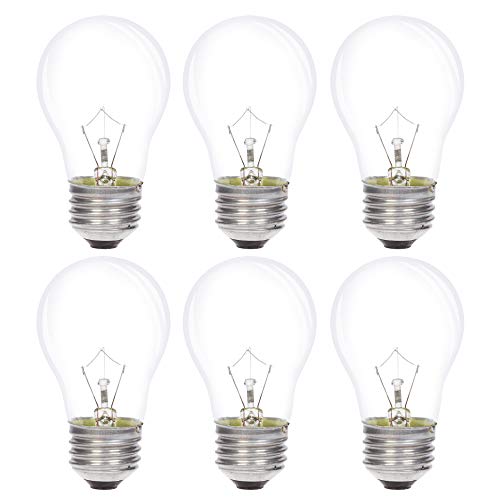
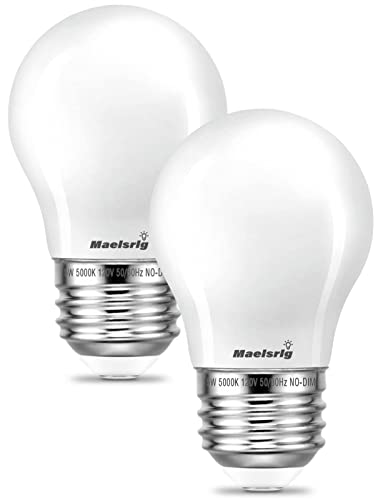
Base diameter is the main difference, with E12 measuring 12 millimeters and E26 measuring 26 millimeters across the screw base. Chandeliers typically use small E12 candelabra sockets, like those on MAXvolador and Brightever bulbs. Some modern or rustic fixtures instead take standard E26 medium bases, like the FLSNT 60W equivalent bulbs. Always check your fixture’s socket size before purchasing.
Can I safely put non-dimmable LED bulbs on a dimmer switch?
No, you should never pair non-dimmable LED bulbs with a dimmer circuit. Installing non-dimmable bulbs like the MAXvolador 6W model on a dimmer switch can cause rapid flickering, buzzing noises, and internal driver damage. If your chandelier connects to a dimmer, choose dimmable options such as the FLSNT or Brightever bulbs to maintain smooth brightness control.
How many lumens are ideal for dining room chandeliers?
Between 300 and 600 lumens per bulb is ideal for most dining spaces. A multi-socket fixture with five 450-lumen to 470-lumen bulbs provides roughly 2,300 total lumens, which illuminates a dinner table comfortably. Larger spaces or high ceilings may benefit from 600-lumen bulbs, providing brighter overall illumination without requiring extra fixtures.
What color temperature works best for the Best Light Bulb For Chandelier in 2026?
A warm white rating of 2700K is typically best for inviting home dining areas. Bulbs rated at 2700K, including the Brightever vintage candles and FLSNT soft white bulbs, deliver a gentle amber glow that flatters dinner settings. If you prefer crisp visibility in an entryway, a 5000K daylight bulb offers clean, vibrant light instead.
Do LED candelabra bulbs generate heat that could damage shades?
No, quality LED candelabra bulbs emit very little heat compared to older incandescent lamps. Products like the MAXvolador 6W bulb stay cool during operation, protecting fabric shades and crystal elements from heat degradation. While older fluorescent light bulbs give off heat damage over long periods, modern LEDs dissipate thermal energy safely through internal heat sinks.




Write Your Review
No reviews yet. Be the first to share your experience!