


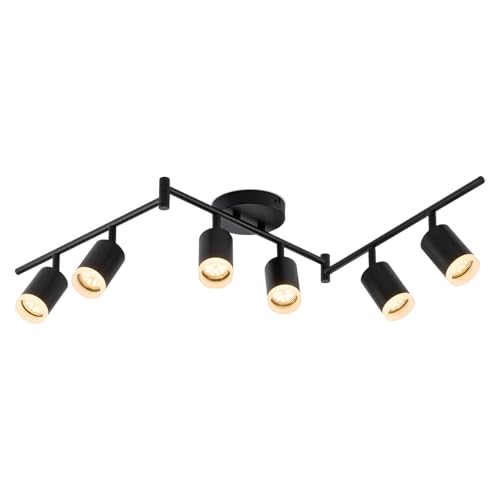
Standard ceiling fixtures often hang too low in rooms with limited vertical clearance, turning functional overhead lighting into an awkward eye-hazard. Directing illumination across kitchen prep surfaces or living areas becomes tricky when you must work around bulky downrods. Selecting the Best Lowprofile Track Lighting solves this problem by hugging the ceiling plane while keeping directional beam control right at your fingertips. Based on listed manufacturer specifications and user feedback, sleek flush rails eliminate annoying shadows without dominating ceiling height. While some accent tasks rely on small auxiliary units like foam padded LED lights for tight nooks, a slim ceiling rail delivers dependable overhead coverage that adapts as room layouts change.
Finding the right mix of clean aesthetics and crisp illumination requires sorting through track standards, from single-circuit H-type rails to integrated flush mounts with handheld remotes. It is easy to feel stuck between rigid old fixtures and modern LED heads that claim universal fit but fall short on dimmer support. Reviewing stated specifications for track length, color rendering, and voltage tolerances helps weed out buzzing fixtures before installation. Whether you need a plug-in system with a dedicated wall cord or a hardwired multi-head fixture, focusing on glare-free track heads and smooth dimming keeps your space bright and comfortable.


Frequently Asked Questions About Low-Profile Tracks
Can you install Best Lowprofile Track Lighting in a room with standard eight-foot ceilings?
Yes, shallow flush-mount rails are designed specifically for spaces where vertical clearance is limited. Most low-profile track heads extend only four to six inches below the drywall. This compact clearance keeps sightlines open and prevents accidental head bumps over kitchen islands and hallways while maintaining multi-directional light coverage.
Are H-type track lighting heads compatible with J-type or L-type track rails?
No, H-type track heads will not fit or safely operate on J-type or L-type rails. Busbar spacing, contact clip dimensions, and grounding tabs differ substantially between track standards. For example, heads like the VANoopee 5-Color LED models require a dedicated single-circuit H-track rail to seat properly. Always check the track profile stamping on your rail before ordering replacement heads.
What color temperature works best for low-profile track fixtures?
A range between 3000K soft white and 4000K cool white offers the best balance of warmth and task clarity. Warmer 3000K illumination creates a relaxing atmosphere in living rooms, while 4000K neutral light supports clear visibility on kitchen countertops. Fixtures with built-in CCT switches allow quick adjustments to match room decor, and a 90+ CRI ensures accurate color rendering.
Can low-profile track light fixtures be dimmed using standard wall switches?
Yes, provided the fixture or bulb driver specifies TRIAC or standard LED dimmer compatibility. Using incompatible wall dimmers often results in buzzing, flickering, or a limited dimming range. Some modern flush track systems bypass wall dimmer limitations entirely by utilizing included handheld remote controls or mobile app controls to adjust brightness smoothly from 10 to 100 percent.
Can you install track lighting without tapping into an overhead junction box?
Yes, plug-in track lighting kits connect directly to standard wall outlets via long power cords. Options like the Hiiglxii 3-light kit include a 13-foot cord with an inline dimmer switch, making them ideal for apartments or spaces lacking hardwired ceiling boxes. For secondary spots where ceiling rails are not practical, supplemental fixtures like portable reading lights offer targeted plug-and-play illumination.




Write Your Review
No reviews yet. Be the first to share your experience!