


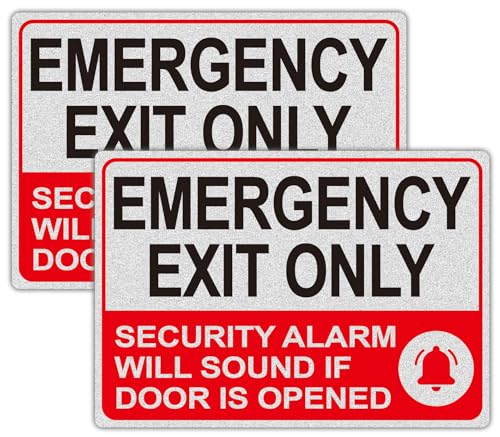
Emergency preparedness demands rapid visual communication when unexpected hazards emerge in total darkness. Missing a critical exit route or overlooking an active security perimeter during a power failure can turn a minor issue into a severe safety hazard. That is why pairing a reliable visual alert like an sos alarm flashing sign with dependable illumination gives occupants immediate clarity when every second counts. Whether you mount reflective vinyl markers along industrial corridors or install solar-powered LED strobes on vehicle dashboards, effective visual alerts provide an instant psychological deterrent and clear guidance. Property managers and drivers often rely on these visual indicators alongside tools like a hand crank flashlight inside an emergency pack to maintain situational awareness without relying on grid power.
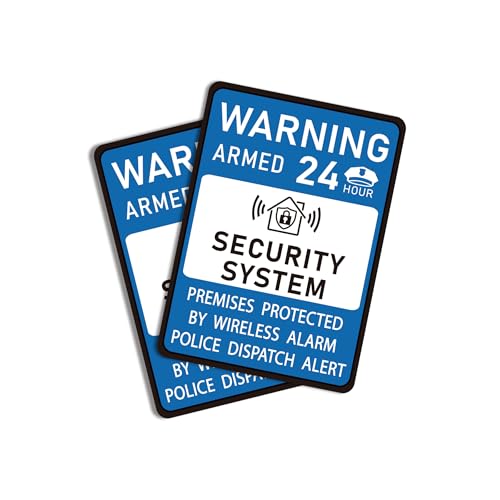
Securing entryways and hazardous zones requires durable materials that resist UV exposure, moisture, and temperature fluctuations. High-visibility warning placards built from rust-free aluminum and thickened vinyl hold up against harsh indoor or outdoor conditions while remaining readable under direct beam spotlights. Meanwhile, compact LED deterrent lights simulate active monitoring systems through automated light sensors that trigger strobing pulses at dusk. Keeping backup cables and portable power sources on hand, much like packing a dedicated kodiak flashlight charge cable for rechargeable gear, ensures your security hardware stays powered across prolonged outages. Evaluating manufacturer specifications, mounting methods, and power sources helps ensure your warning setup delivers uncompromising visibility around the clock.




Frequently Asked Questions About Safety Signage and Lights
How visible is a reflective sos alarm flashing sign in low-light environments?
High-grade reflective vinyl signs remain clearly visible at night when illuminated by ambient light or a direct flashlight beam. The reflective surface bounces light back toward the observer, making warning text readable down dark hallways and stairwells. Active strobe models paired with reflective placards maximize alert recognition across industrial sites during sudden power failures.
Do solar-powered dummy alarm flashing lights work on cloudy days?
Yes, solar-powered dummy alarm units can harvest sufficient ambient daylight to power night blinking, but many units also feature backup USB ports. Models like the ELECTOP dummy security lights offer dual charging so you can top them off via Micro USB during extended storms. This secondary port ensures up to 7 days of continuous operation without sunlight.
What is the difference between an active strobe light and a reflective alarm sign?
An active strobe light emits its own pulsed illumination using high-brightness LEDs, whereas a reflective sign requires an external light source to be seen in the dark. Active rotating beacons like the kbaoele industrial warning light produce daylight-visible 110V flashing warnings paired with audible buzzers up to 110 dB. Static signs serve as permanent visual reminders that require zero wiring or electrical upkeep. Understanding coast sx300r flashlight charge time and runtime differences helps users select proper portable emergency gear for secondary illumination.
How do automated light sensors operate on dummy car alarm lights?
Built-in photocell sensors detect low-light conditions and trigger the flashing sequence automatically at dusk. The LED blinks approximately every 5 seconds in the dark and deactivates at dawn to conserve stored energy. Users can manually test daytime operation by turning the switch on and covering the solar panel surface.
Can vinyl alarm stickers withstand outdoor temperature extremes and rain?
Premium exterior vinyl stickers withstand rain, UV rays, and extreme temperature swings without peeling or fading. Products made with thickened vinyl utilize high-definition fade-resistant inks and weatherproof adhesive backings suitable for glass, metal, and wooden doorways. Regularly inspecting exterior decals prevents weather degradation and keeps safety messaging legible.
What maintenance is required for battery-operated or solar security signs?
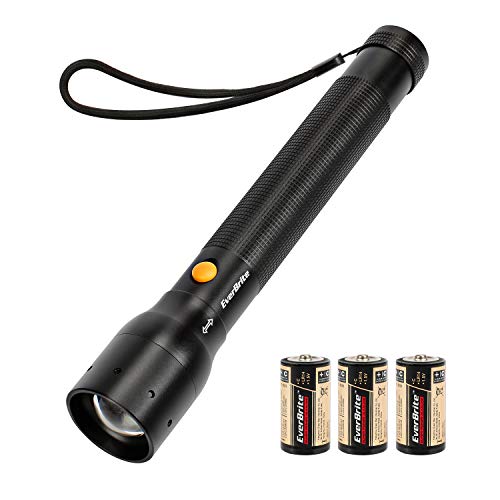
Basic maintenance involves wiping dust off solar panels and inspecting battery terminals for moisture buildup. Dust accumulation on solar cells reduces charging efficiency, while sealed LED housings rarely need part replacements. If your portable inspection flashlights suffer terminal damage from wet storage, knowing how to remove a corroded battery from flashlight terminals ensures your backup gear remains fully operational.




Write Your Review
No reviews yet. Be the first to share your experience!